

Water Cooler for Inner Converter Cabinet in High-Load Power Systems
Introduction: Why Inner Cabinet Cooling Matters More Than Ever
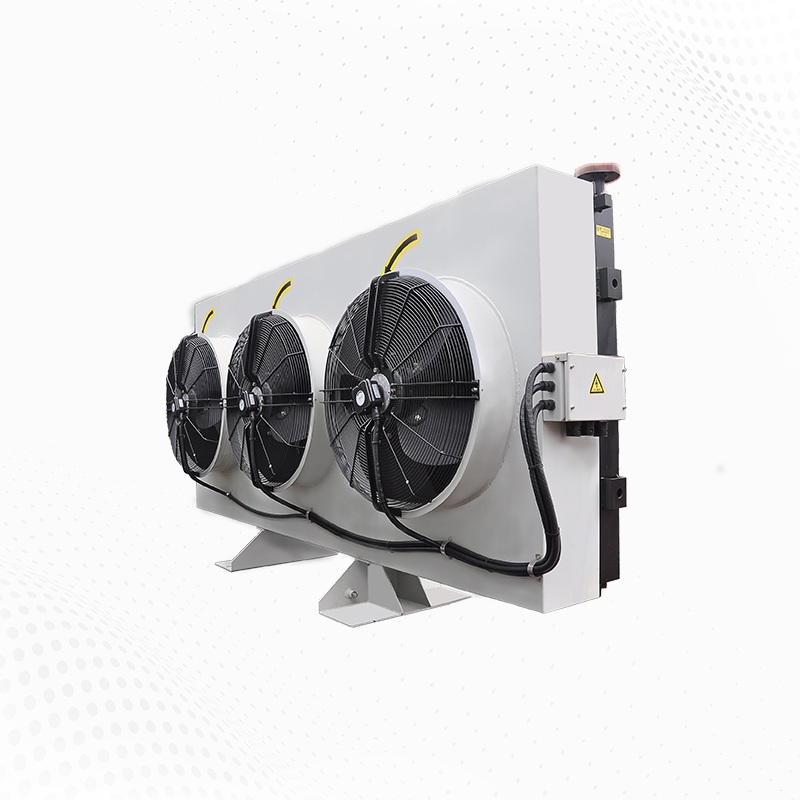
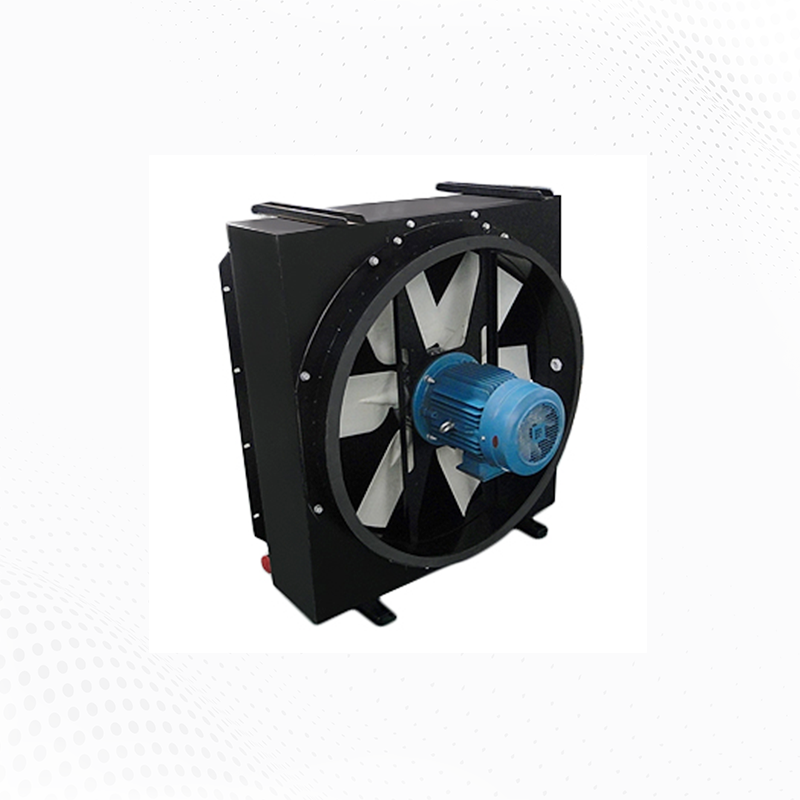
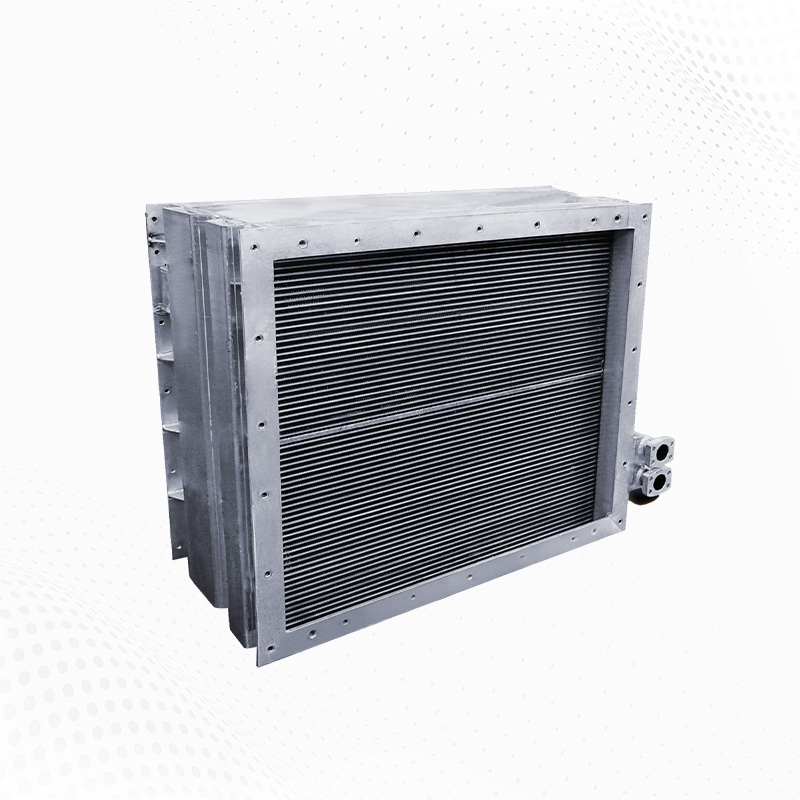
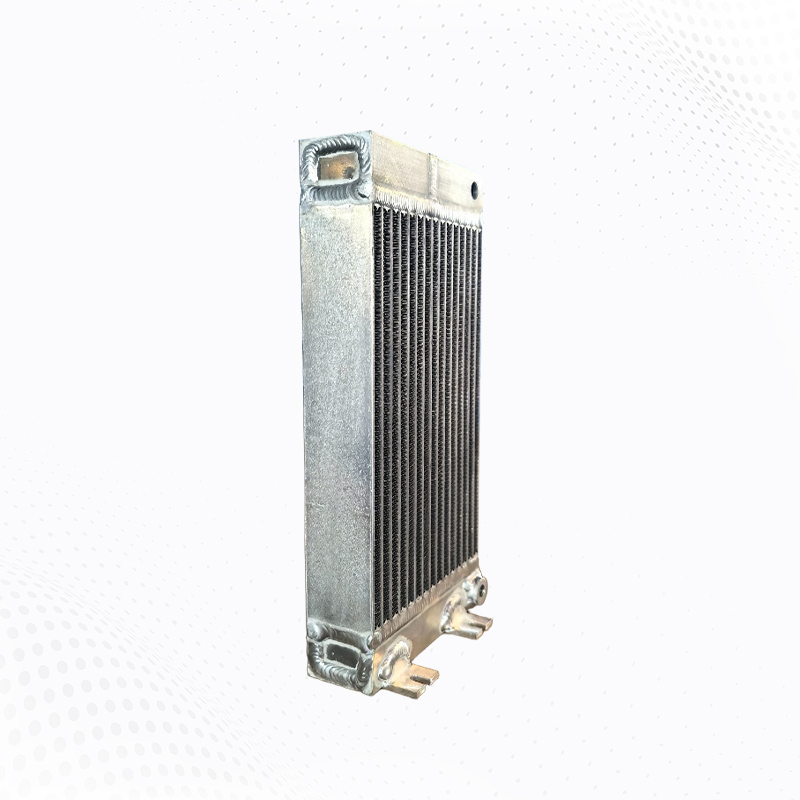
In modern power electronics systems, heat no longer comes from a single source. Inner converter cabinets now carry higher switching frequencies, denser layouts, and longer operating hours. When temperature rises inside the cabinet, component drift, signal instability, and unexpected shutdowns often follow. This is where a Water Cooler For Inner Converter Cabinet becomes a practical solution rather than a theoretical upgrade.
At YUDA, we work closely with engineers who operate converter cabinets in demanding environments. From these projects, one conclusion stays consistent: stable temperature control inside the cabinet directly protects system reliability.
Application Scenario: Inside the Converter Cabinet
A Water Cooler For Inner Converter Cabinet typically operates in enclosed power cabinets where airflow alone cannot remove heat efficiently. These cabinets often appear in SVG systems, inverter units, and power compensation equipment.
In such setups, an inner cabinet cooling system must handle continuous heat release while maintaining electrical safety. Many users choose water cooling because it removes heat directly from critical components without increasing cabinet size.
Common Pain Points Faced by Users
From a user's perspective, several issues come up repeatedly. First, air cooling struggles when ambient temperature rises. Second, uneven airflow creates hot spots inside the cabinet. Third, maintenance teams face frequent alarms caused by thermal overload.
A properly designed Water Cooler addresses these issues by integrating with the inner cabinet cooling system and supporting stable power converter thermal management. Engineers notice fewer temperature spikes and more predictable system behavior.
Selection Criteria That Actually Matter
Choosing a Water Cooler requires more than matching flow rate numbers. Users should evaluate real heat load, cabinet space, and long-term operation.
An effective inner cabinet cooling system prioritizes compact heat exchangers, controlled water flow, and reliable sealing. For systems with frequent load changes, power converter thermal management performance matters more than peak cooling capacity.
At YUDA, we design each Water Cooler For Inner Converter Cabinet based on operating data instead of catalog assumptions. This approach improves consistency in real applications.
Parameter Suggestions from Field Experience
From installation feedback, users benefit from focusing on a few practical parameters. Water flow stability helps maintain constant cooling performance. Pressure loss inside the inner cabinet cooling system should remain low to protect pumps.
For power converter thermal management, stable inlet and outlet temperature difference matters more than absolute cooling power. A well-matched Water Cooler For Inner Converter Cabinet keeps components within safe limits without overcooling.
Questions Buyers Often Ask
Will water cooling increase maintenance?
In practice, a sealed Water Cooler For Inner Converter Cabinet reduces dust-related issues common in air systems.
Is water cooling safe inside cabinets?
A properly designed inner cabinet cooling system uses leak-proof connections and corrosion-resistant materials.
Does it improve system life?
Stable power converter thermal management slows component aging and reduces unexpected downtime.
Typical Mistakes to Avoid
Some users oversize the Water Cooler For Inner Converter Cabinet, expecting better performance. In reality, mismatched flow and space constraints reduce efficiency. Others ignore cabinet layout, which limits inner cabinet cooling system effectiveness.
Another common mistake involves neglecting long-term power converter thermal management needs. Cooling systems should match real operating cycles, not short-term testing conditions.
Why YUDA Earns Long-Term Trust
YUDA focuses on real operating environments. Each Water Cooler For Inner Converter Cabinet reflects years of cabinet cooling experience. Our designs integrate smoothly into existing inner cabinet cooling system layouts and support consistent power converter thermal management.
Users value predictable performance over exaggerated specifications. That is why YUDA cooling solutions continue to perform reliably in long-running systems.
Conclusion
A Water Cooler For Inner Converter Cabinet plays a quiet but essential role in modern power systems. When designed correctly, it stabilizes temperature, protects components, and supports long-term operation. Combined with a reliable inner cabinet cooling system and balanced power converter thermal management, it becomes a dependable foundation for high-load applications.
