

Optimize Industrial Cooling with YUDA Aluminum Plate Bar Heat Exchanger
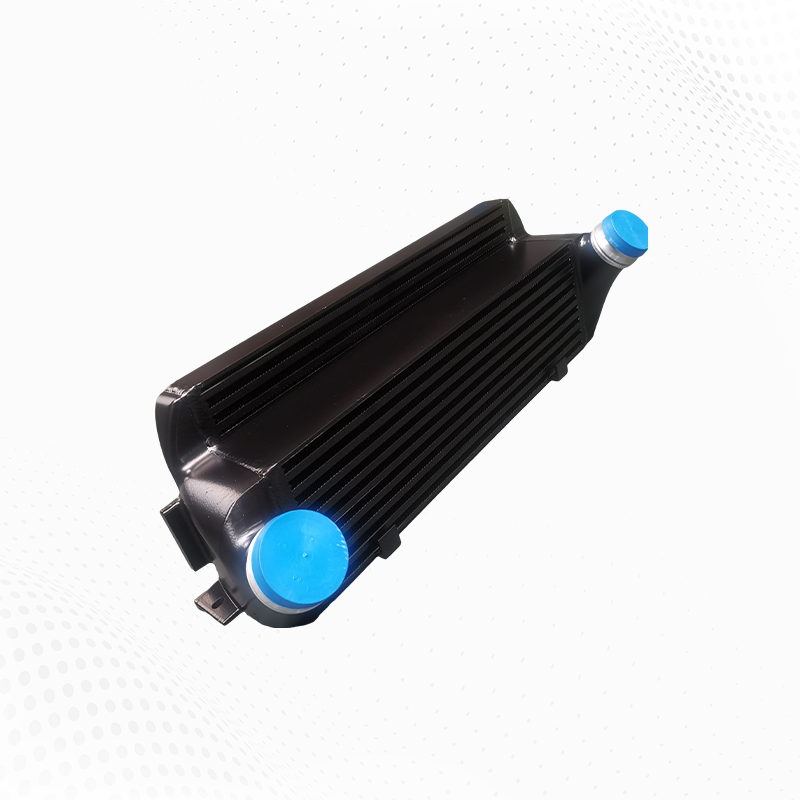
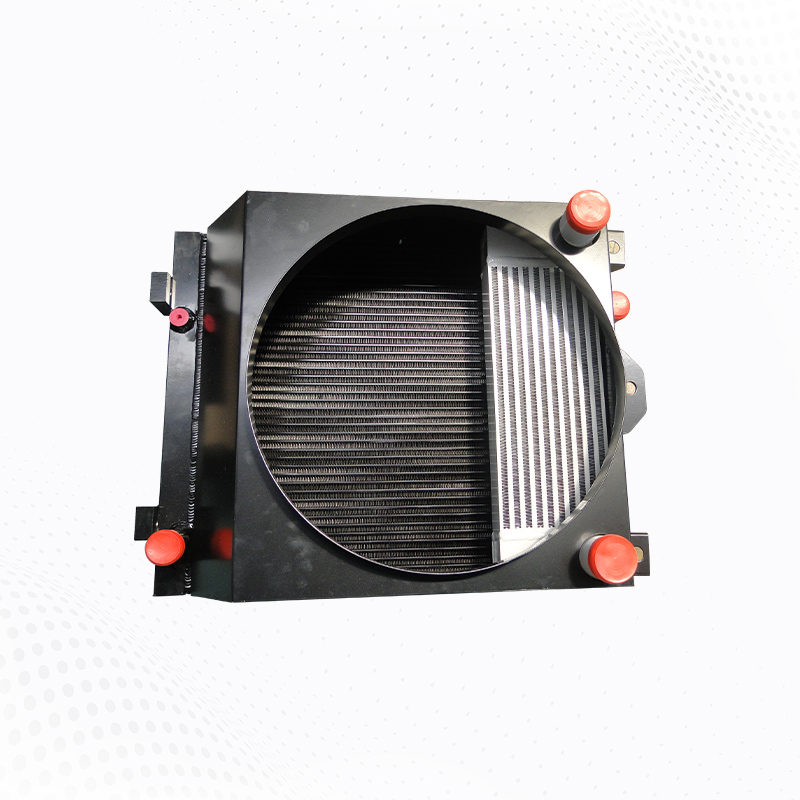
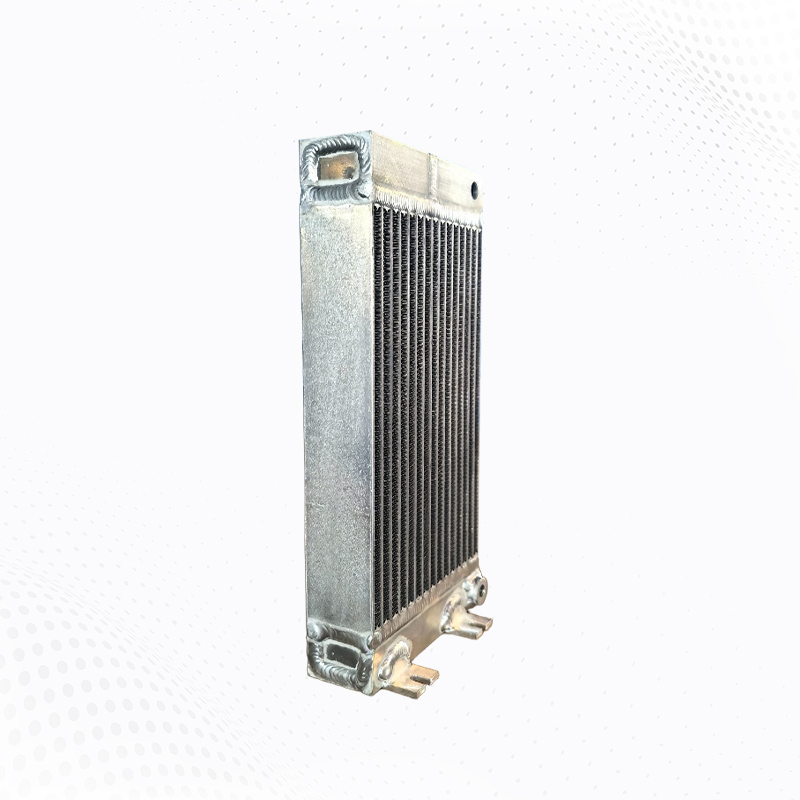
Machinery in factories and on job sites pushes hard every day, and heat is the enemy that sneaks up fast. When oil in hydraulics or gearboxes gets too hot, things start going wrong—viscosity drops, seals leak, and gears wear out quicker than they should. A solid aluminum plate bar heat exchanger steps in to keep temperatures under control. Here at YUDA, we’ve built these units for years based on what actually happens in the field. The bar-and-plate design packs a lot of cooling power into a tough, compact package that handles high pressure, vibration, and dirty conditions without complaint.
Where You’ll See Them in Action
You’ll spot an aluminum plate bar heat exchanger on excavators, wheel loaders, industrial reducers, and compressor stations. Mobile equipment relies on them heavily because they fit tight spots and shrug off rough treatment.
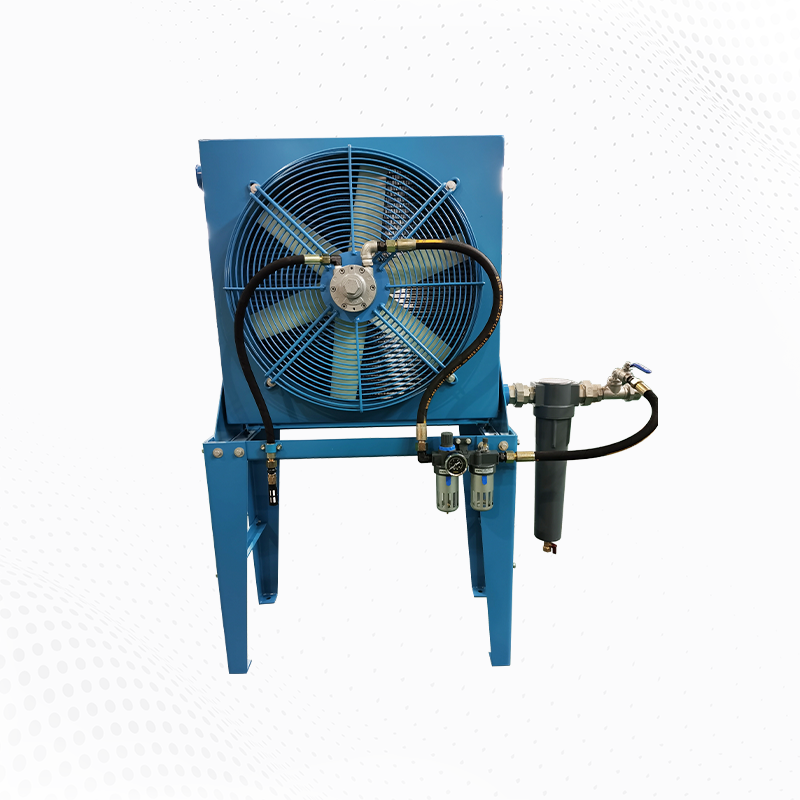
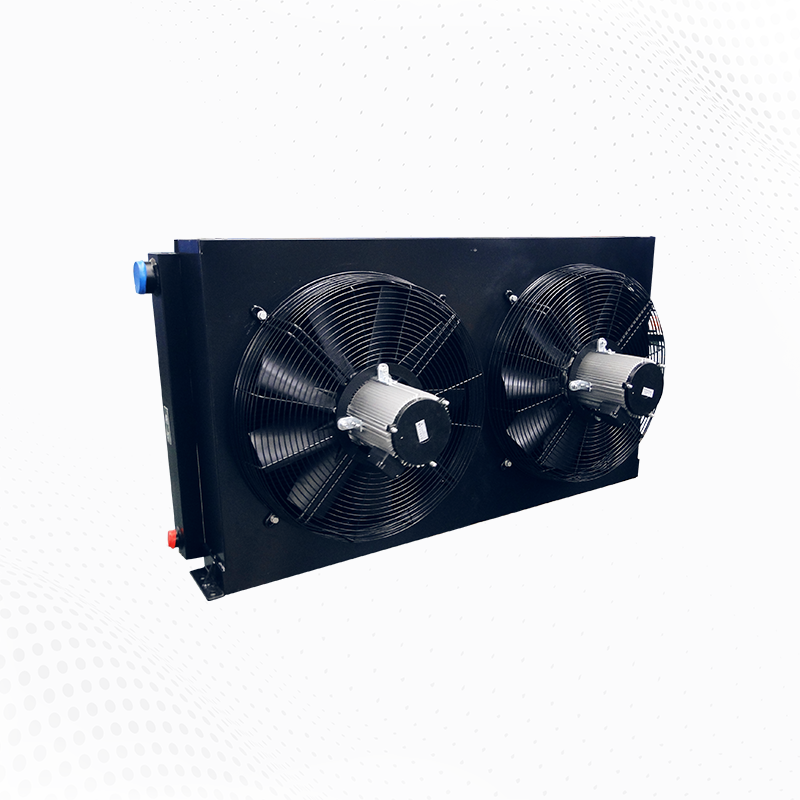
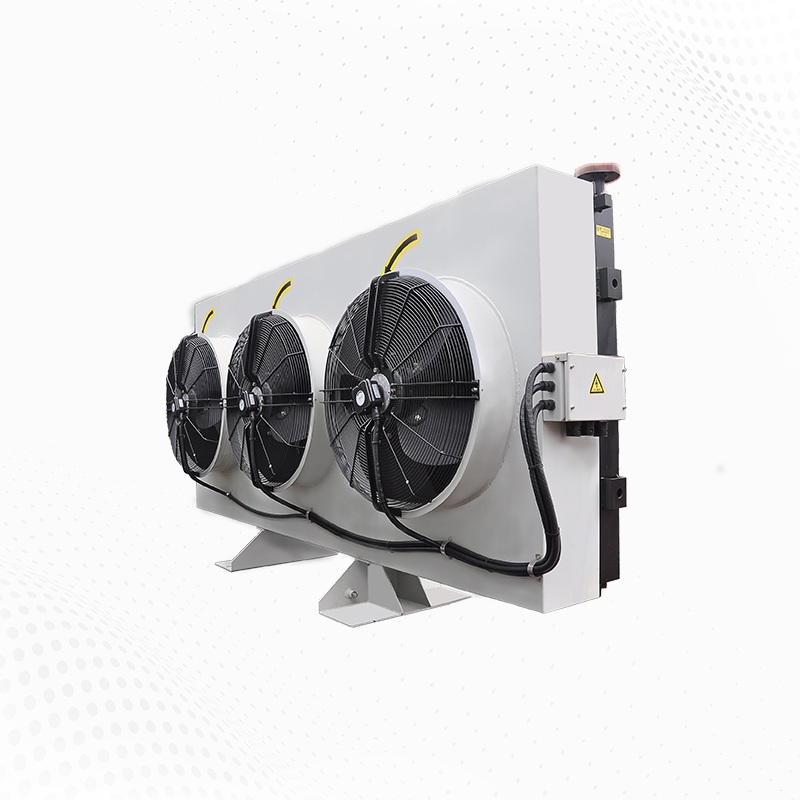
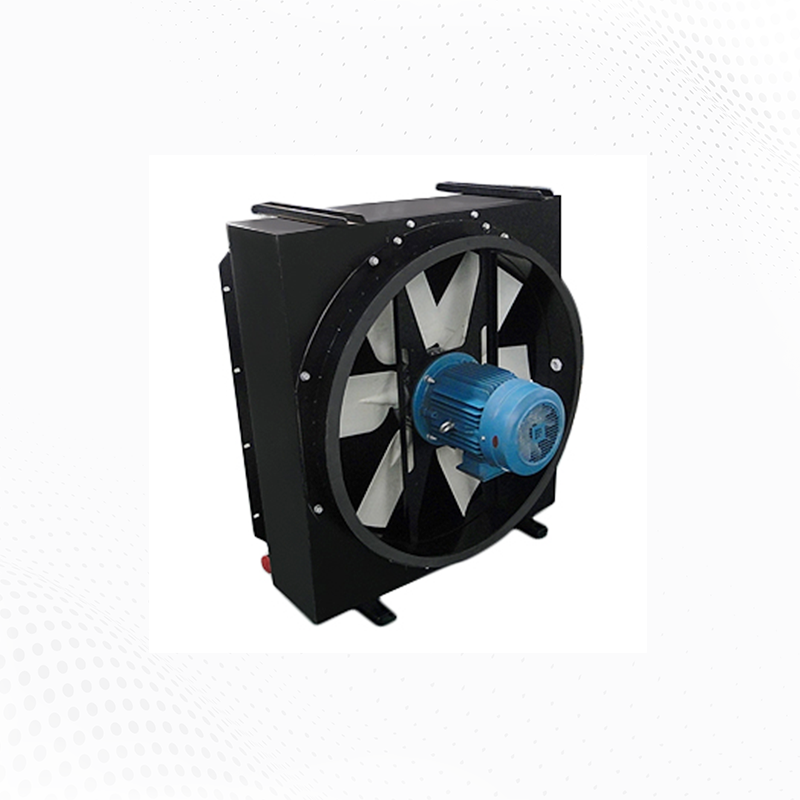
Lots of setups use an aluminum plate bar heat exchanger as the core of an air cooled hydraulic heat exchanger for straightforward oil cooling. When gearboxes run under constant load, operators add a dedicated gearbox oil cooler to protect bearings and keep noise down. A properly sized hydraulic oil cooler radiator works hand-in-hand with the aluminum plate bar heat exchanger in hydraulic power packs.
Off-highway trucks and cranes trust this combination too. The gearbox oil cooler handles transmission heat separately, while the Aluminum Plate Fin Heat Exchanger manages pump and cylinder oil. Many sites choose a rugged gearbox oil cooler alongside the main aluminum plate bar heat exchanger for better overall stability. Durable hydraulic oil cooler radiator builds round out the system in dusty or outdoor environments.
Real Problems That Hit the Bottom Line
Overheating shows up as sluggish performance, more frequent oil changes, and unexpected stops. Without a strong enough hydraulic oil cooler radiator, oil breaks down faster than it should.
Gearboxes suffer the most when they lack a proper gearbox oil cooler—you get extra vibration, louder operation, and shorter overhaul intervals. An undersized air cooled hydraulic heat exchanger can’t keep up when ambient temps climb. Dust and debris clog weaker designs quickly.
Many crews deal with leaks or cracks from vibration because the aluminum plate bar heat exchanger wasn’t built tough enough. A missing or small gearbox oil cooler often turns small heat issues into big repair bills.
How to Pick the Right Unit
Start with your actual heat load, flow rates, and worst-case ambient temps. Size the aluminum plate bar heat exchanger to cover daily duty plus a little headroom.
For pure hydraulic work, focus on a reliable hydraulic oil cooler radiator. Heavy mechanical drives need a separate gearbox oil cooler to handle friction heat. Choose fin spacing that works with your airflow in the air cooled hydraulic heat exchanger.
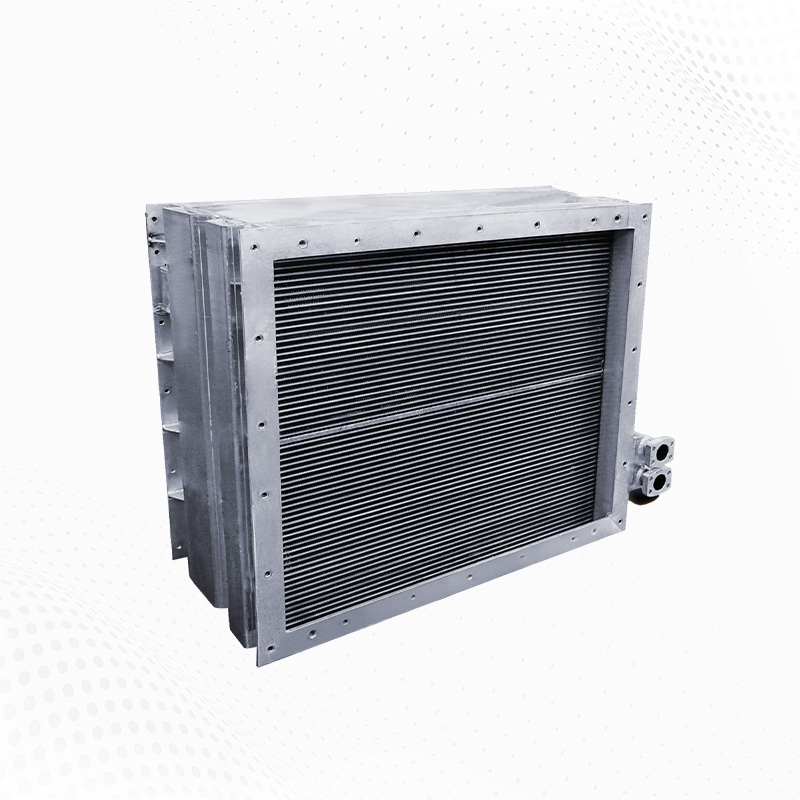
YUDA walks customers through the numbers so the Aluminum Plate Fin Heat Exchanger fits perfectly. Look for brazed construction and pressure ratings that match your system.
Practical Spec Tips
Aim for oil outlet temps around 50-70°C in most setups. Flows usually run 40-250 L/min depending on machine size.
Pick a gearbox oil cooler that drops temperature 15-30°C across the core. Higher turbulence channels in the aluminum plate bar heat exchanger boost transfer without big pressure loss. Good fan selection keeps the air cooled hydraulic heat exchanger quiet and efficient.
YUDA suggests 20-35 bar ratings for typical heavy-duty use. Slightly larger hydraulic oil cooler radiator capacity helps in hot climates. A dedicated gearbox oil cooler prevents cold-start bypass issues.
Mistakes That Bite You Later
Going too small is the classic trap—an undersized aluminum plate bar heat exchanger leaves you fighting heat all summer. Skipping a separate gearbox oil cooler overloads the main unit.
Wrong airflow direction kills performance in any air cooled hydraulic heat exchanger. Cheap materials corrode or warp under pressure. Poor mounting lets vibration loosen the gearbox oil cooler over time.
Many forget to plan for easy cleaning, so the hydraulic oil cooler radiator clogs faster than expected.
Straight Answers to Common Questions
Will it hold up outdoors? Yes—our heat exchanger and gearbox oil cooler handle weather and dust fine.
Do I really need a separate gearbox oil cooler? Most times, yes—continuous loads demand a dedicated gearbox oil cooler.
How important is clean airflow? Critical. Blocked fins hurt the air cooled hydraulic heat exchanger quickly.
Is weight a big deal? Definitely—aluminum keeps the whole hydraulic oil cooler radiator lighter for easier installs.
A well-chosen aluminum plate bar heat exchanger paired with the right hydraulic oil cooler radiator, air cooled hydraulic heat exchanger, and gearbox oil cooler keeps industrial machines running cooler and longer. YUDA builds practical, field-proven solutions that cut downtime and maintenance costs. If heat is giving you headaches, reach out—we’ll help size the perfect setup for your equipment.
