

Maximize Machinery Efficiency with Aluminum Plate Fin Cooler Solutions
Introduction: When Heat Becomes Your Biggest Operational Headache
If you've ever watched a hydraulic system lose power on a hot afternoon, or seen compressor oil degrade faster than it should, you know cooling isn't just technical—it's operational. Too much heat shortens equipment life, increases downtime, and quietly eats into your bottom line. That's why more maintenance supervisors and project engineers are taking a closer look at what's cooling their systems—and increasingly, that means turning to a well-designed aluminum plate fin cooler.
At YUDA, we've spent years in the field, not just the lab. We've seen how the right aluminum plate fin cooler can transform reliability in everything from mining equipment to plastic injection molds. It's not about adding complexity—it's about removing a major source of failure before it ever happens.
Where This Type of Cooler Actually Makes Sense
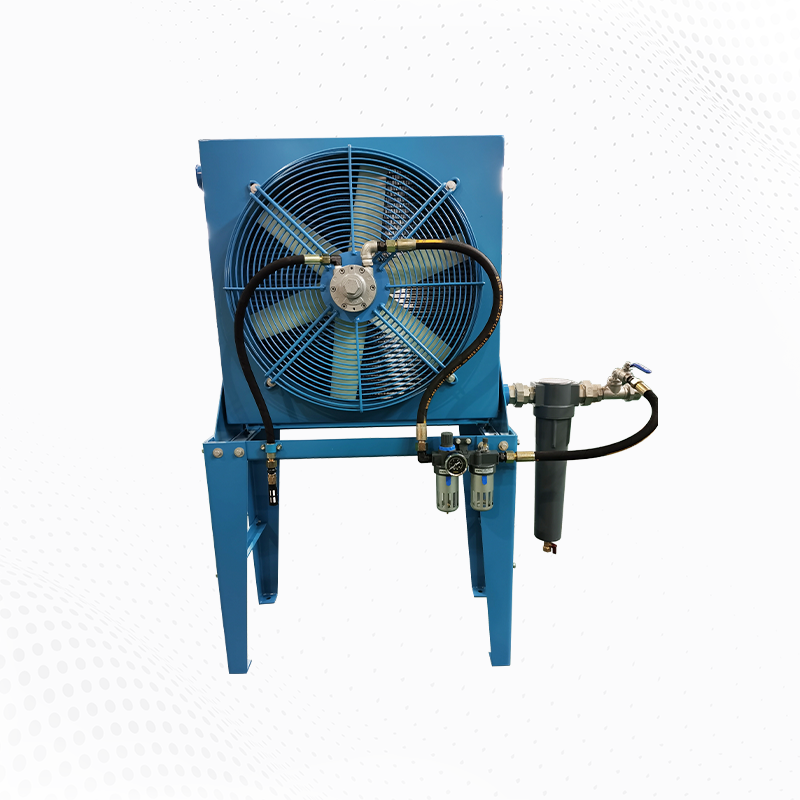
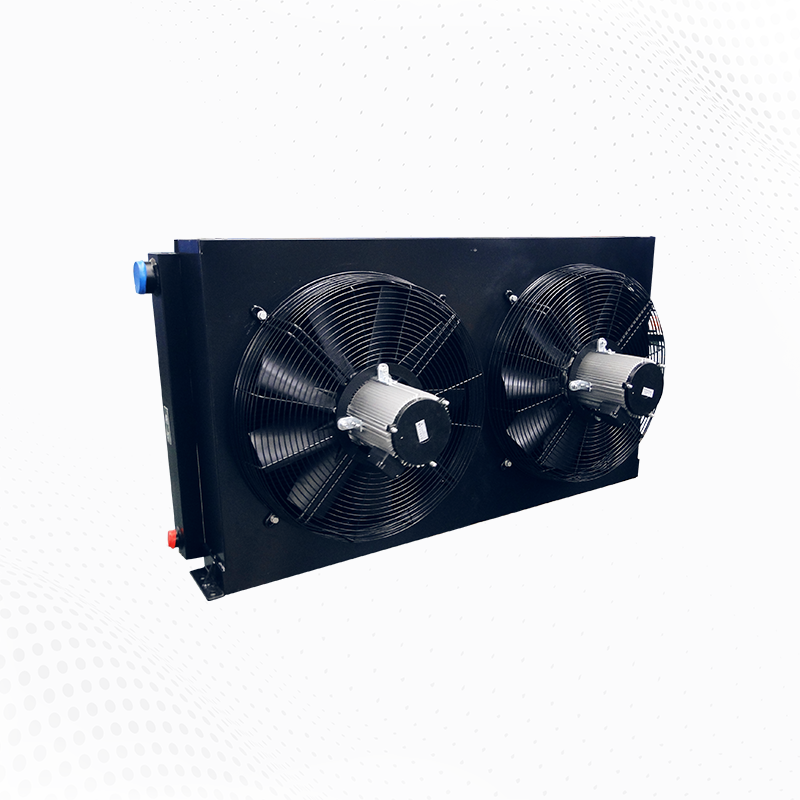
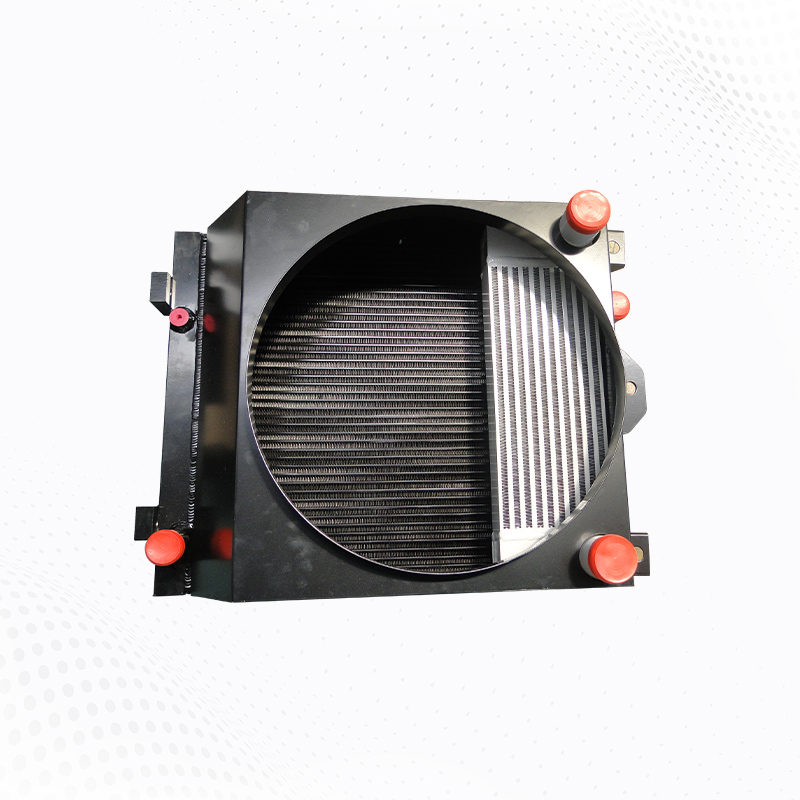
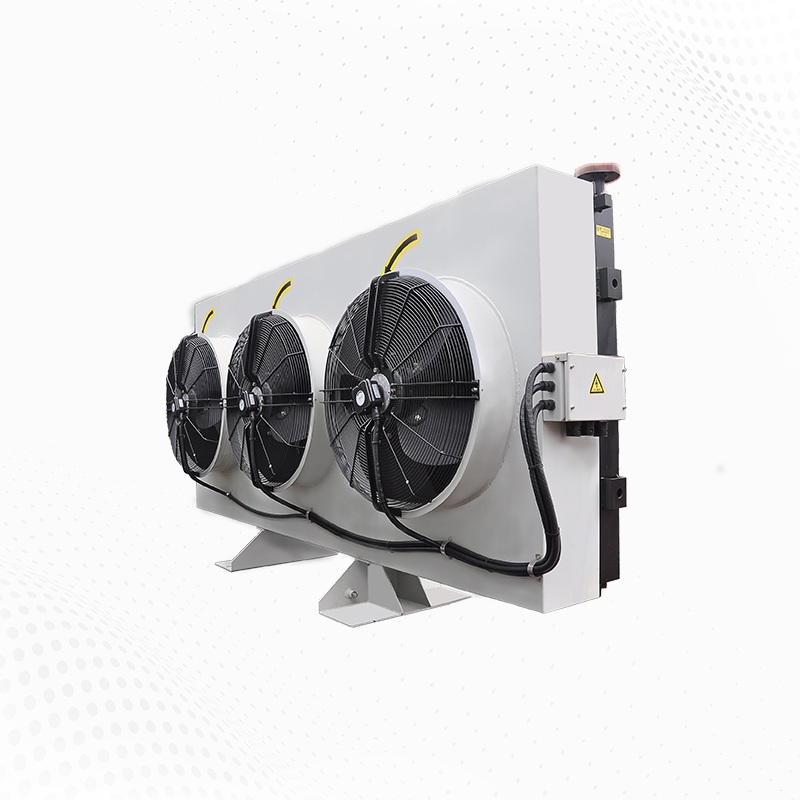
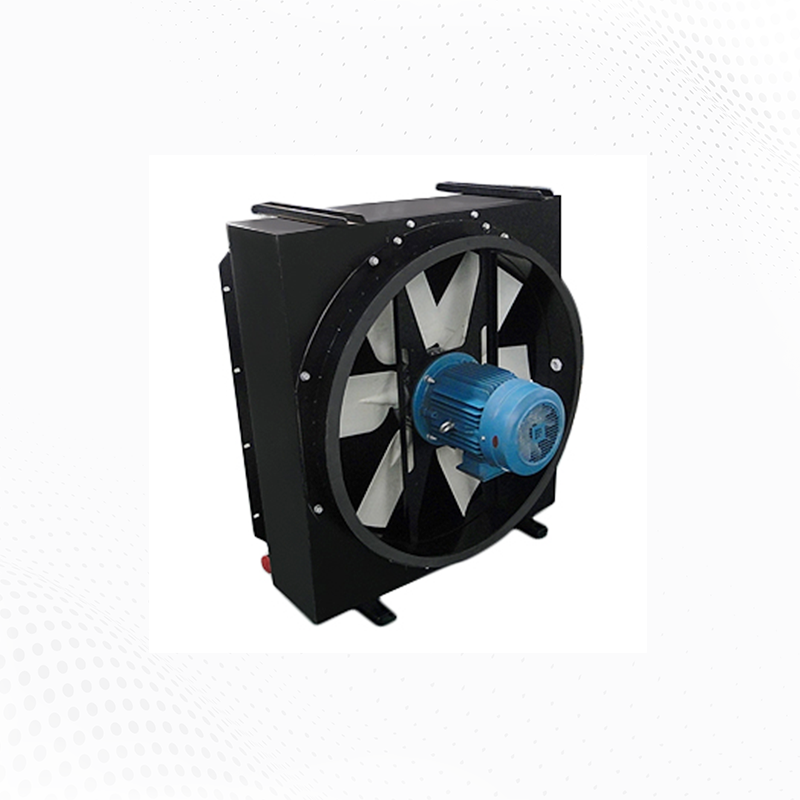
You'll find the aluminum plate fin cooler in places where air cooling works—and where every kilogram and centimeter matters. Mobile machinery, hydraulic power units, industrial compressors—these are typical applications. Often, the most effective setup pairs an aluminum plate fin cooler with a dedicated air cooled hydraulic oil cooler. Together, they manage heat where it's generated most: in the hydraulic oil circuit.
On a forestry harvester, for example, the hydraulic system works hard in variable outdoor temperatures. An aluminum plate fin cooler handles ambient heat exchange, while the air cooled hydraulic oil cooler maintains consistent oil temperature. This combination prevents viscosity breakdown, reduces pump wear, and keeps the machine responsive through long shifts. In stationary applications like compressors, the same approach prevents oil carbonization and maintains efficiency over thousands of operating hours.
Questions We Hear—and Straight Answers
When people call us about cooling, their questions are usually practical:
“Will this thing run day and night without failing?”
Yes. A properly sized aluminum plate fin cooler is built for continuous industrial duty. We design them to outlast the equipment they cool.
“What if we switch hydraulic fluids?”
The aluminum plate fin cooler works with all common industrial fluids—mineral oils, synthetics, HFC, HFD, even water-glycol blends. Compatibility is engineered in from the start.
“Can it handle dust, moisture, vibration?”
Aluminum's natural corrosion resistance helps, but it's the overall design—robust fin bonding, reinforced headers—that lets an aluminum plate fin cooler perform in tough environments. Paired with an air cooled hydraulic oil cooler, it creates a resilient cooling loop.
These answers come from installation reports and long-term service feedback, not just product datasheets.
Choosing the Right Cooler: It's More Than Measurements
Selecting an aluminum plate fin cooler starts with understanding your actual heat load, not just your available space. Many systems benefit from adding an air cooled hydraulic oil cooler—especially when loads vary or ambient temperatures swing widely.
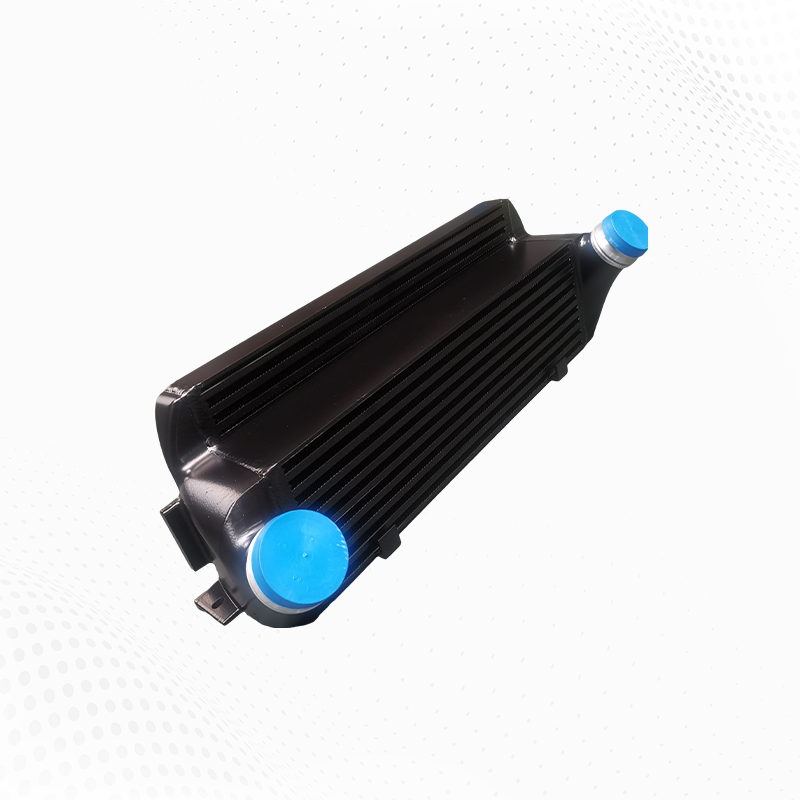
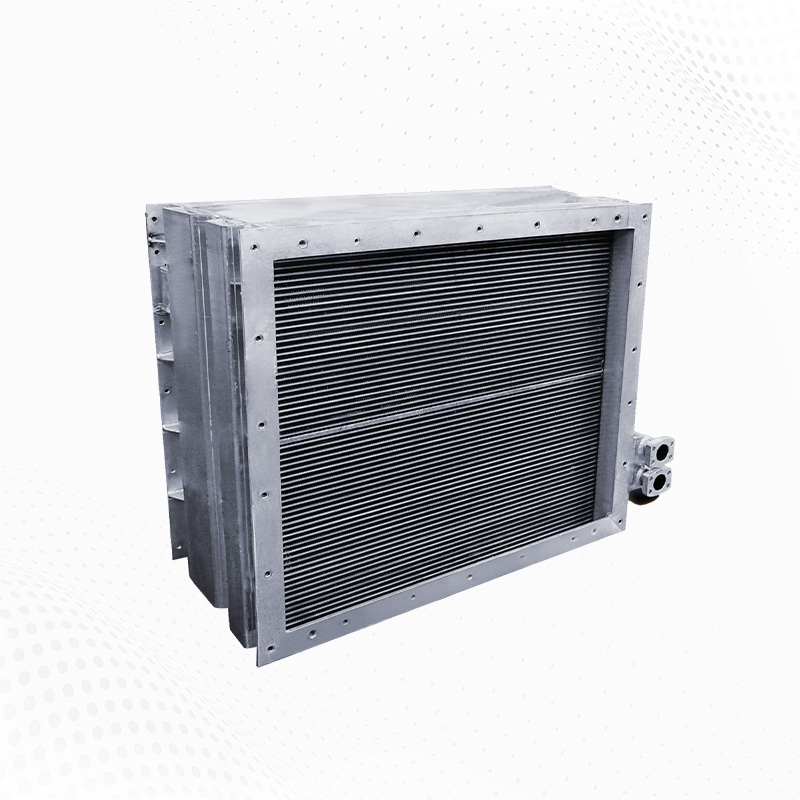
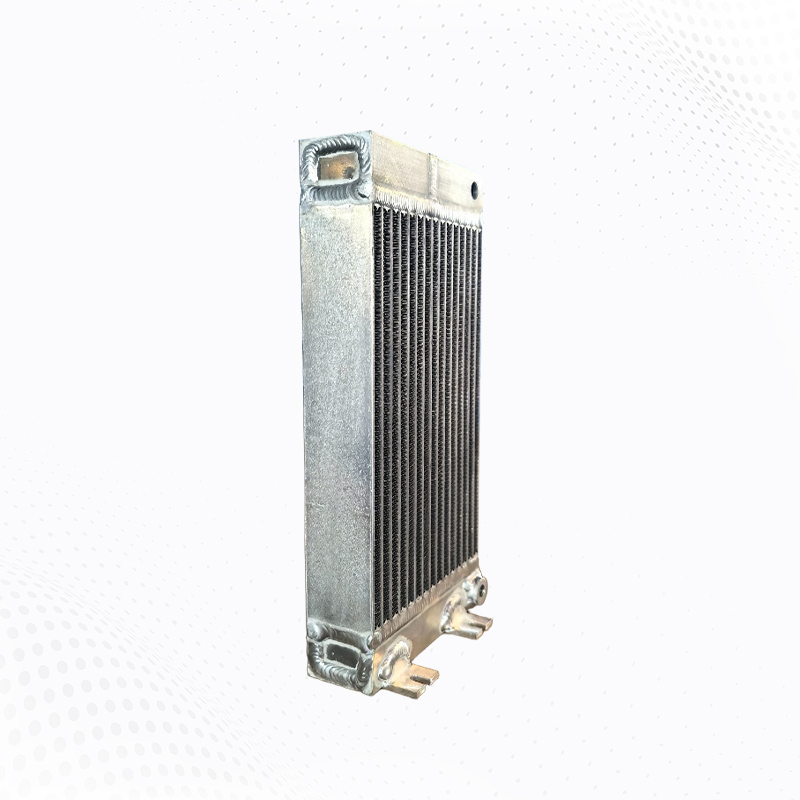
Material choice matters. Aluminum offers excellent heat transfer without the weight of steel or copper. A well-configured aluminum plate fin cooler also considers fin density, airflow path, and core depth. At YUDA, we often work through these details with customers, because a cooler that's perfectly matched to its duty lasts longer and performs better.
Practical Guidelines from the Field
Here's what we've learned from hundreds of installations: slightly oversizing your aluminum plate fin cooler provides a useful safety margin for unexpected high-load periods. Make sure your system's airflow—whether natural or fan-driven—matches the cooler's design.
When you integrate an air cooled hydraulic oil cooler, pay attention to hydraulic flow rate and allowable pressure drop. Getting this right avoids unnecessary pump strain and keeps your system energy-efficient.
Mistakes We See—And How to Sidestep Them
Even experienced teams can overlook cooling details. Common missteps include:
Fitting the space but not the need – A compact aluminum plate fin cooler that doesn't dissipate enough heat simply won't work.
Blocking airflow – Dust guards are necessary, but poor placement can starve even the best aluminum plate fin cooler of air.
Mismatching fluid and cooler – Different oils transfer heat at different rates. What works for one fluid may underperform with another.
Following a few basic guidelines—like ensuring clean airflow and matching the cooler to both fluid type and heat load—can prevent most cooling-related issues.
Closing Thought: Cooling as an Investment, Not an Expense
A reliable aluminum plate fin cooler, especially when paired with an air cooled hydraulic oil cooler, does more than control temperature—it protects your equipment, reduces unplanned stops, and extends service intervals. At YUDA, we view cooling as part of your machinery's overall health plan.
Choosing the right aluminum plate fin cooler is a practical decision with lasting impact. It helps your systems run smoother, longer, and more predictably—proving that sometimes, the best way to handle heat is to keep it from becoming a problem in the first place.
