

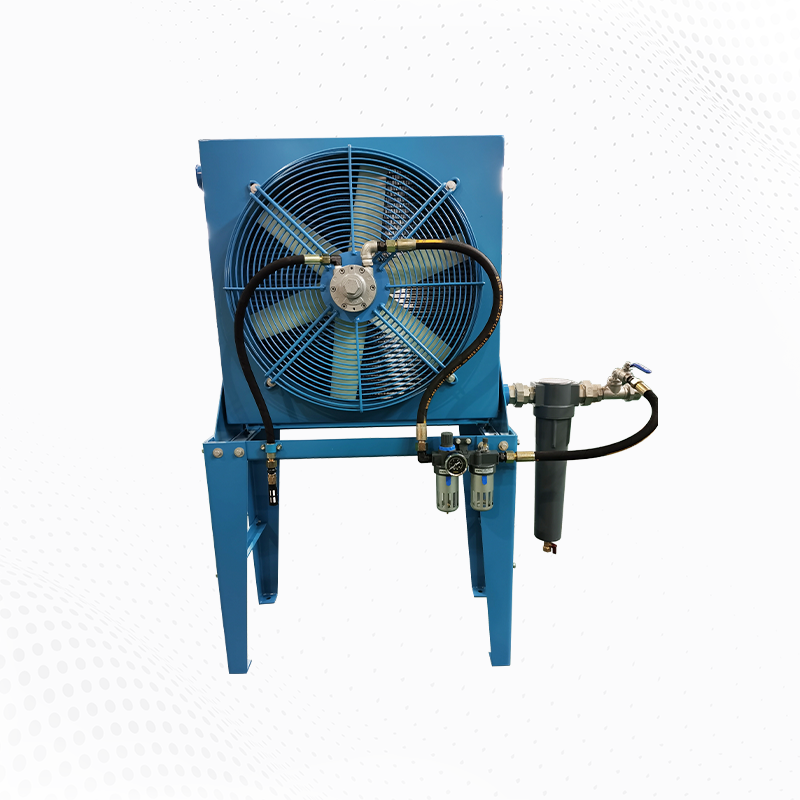
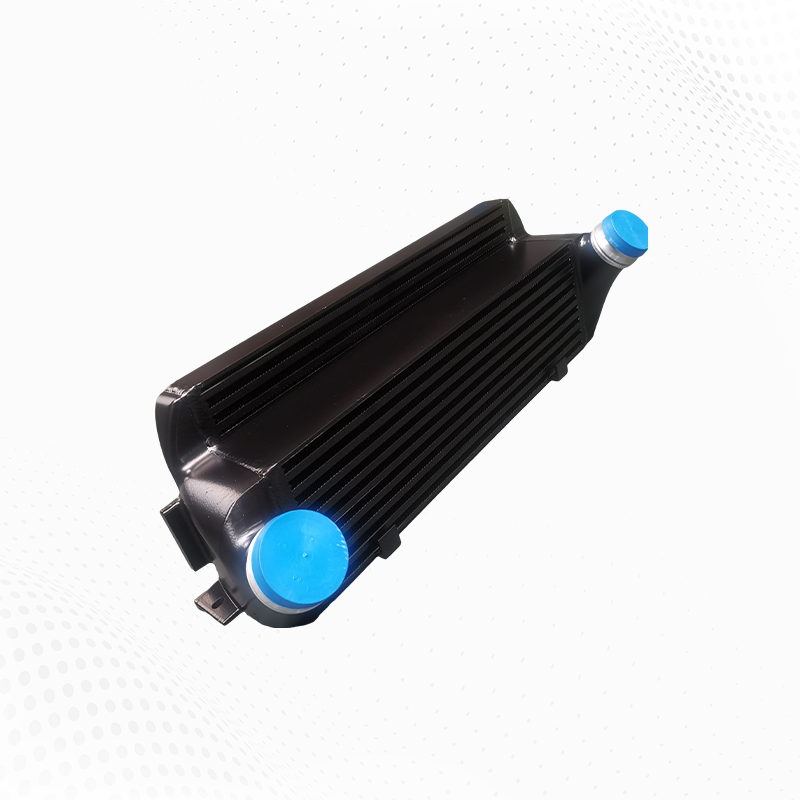
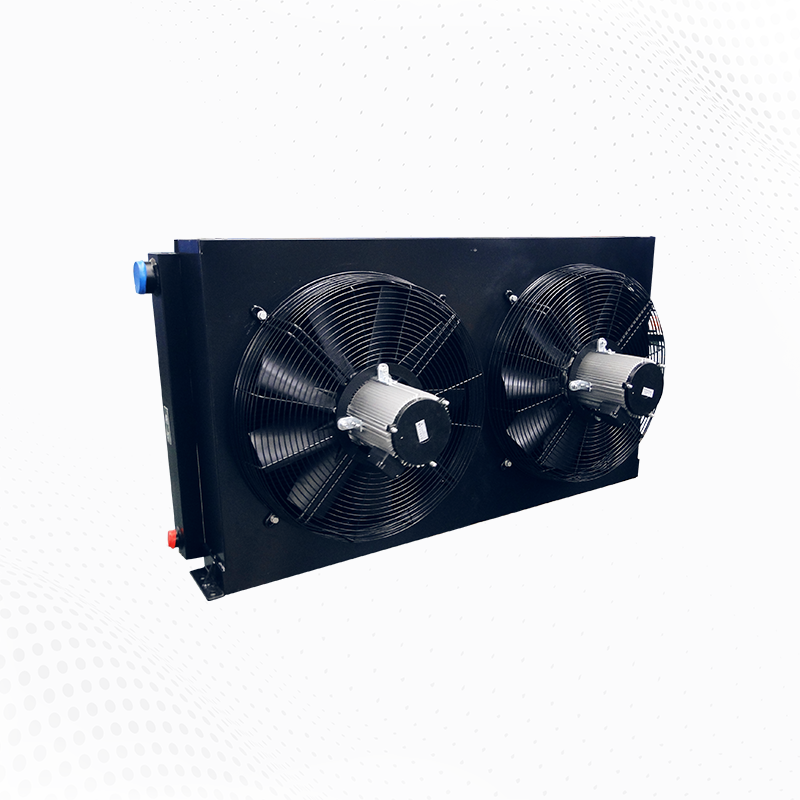
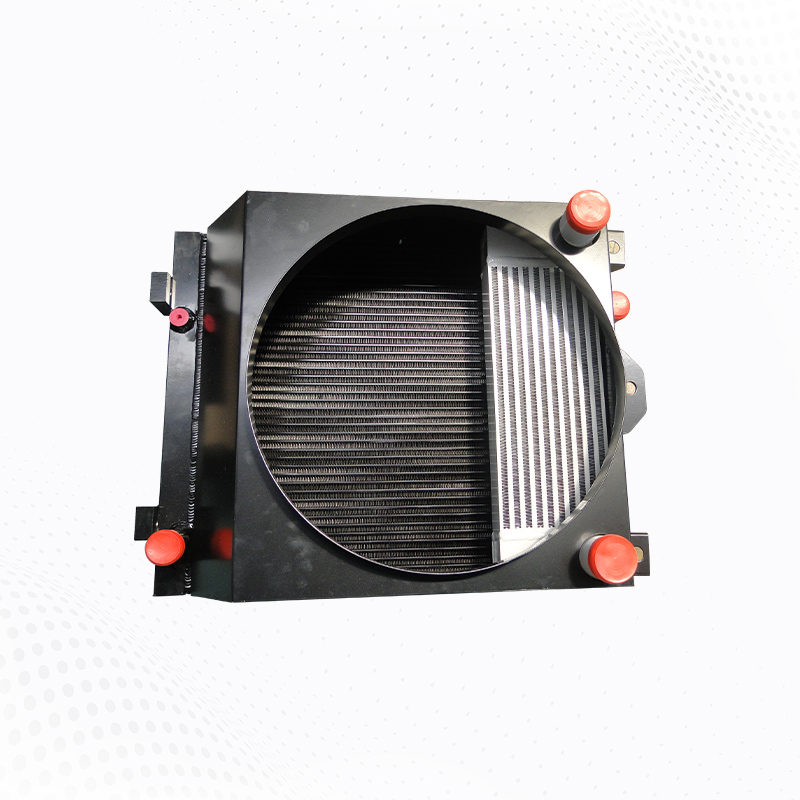
Aluminum Plate Fin Air Cooled Oil Cooler for Stable Industrial Cooling
Why Oil Cooling Still Decides Equipment Reliability
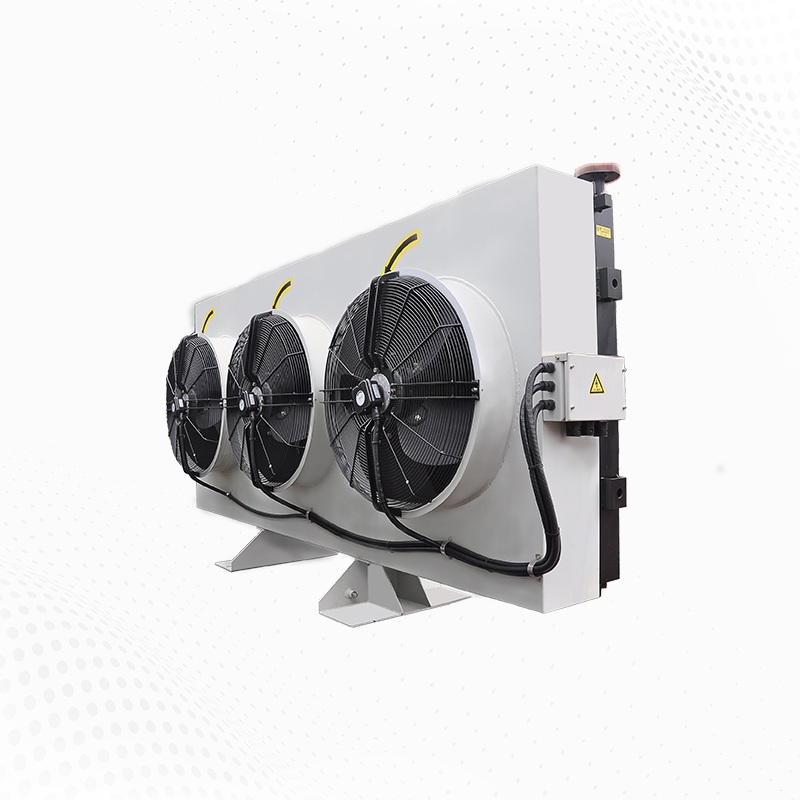
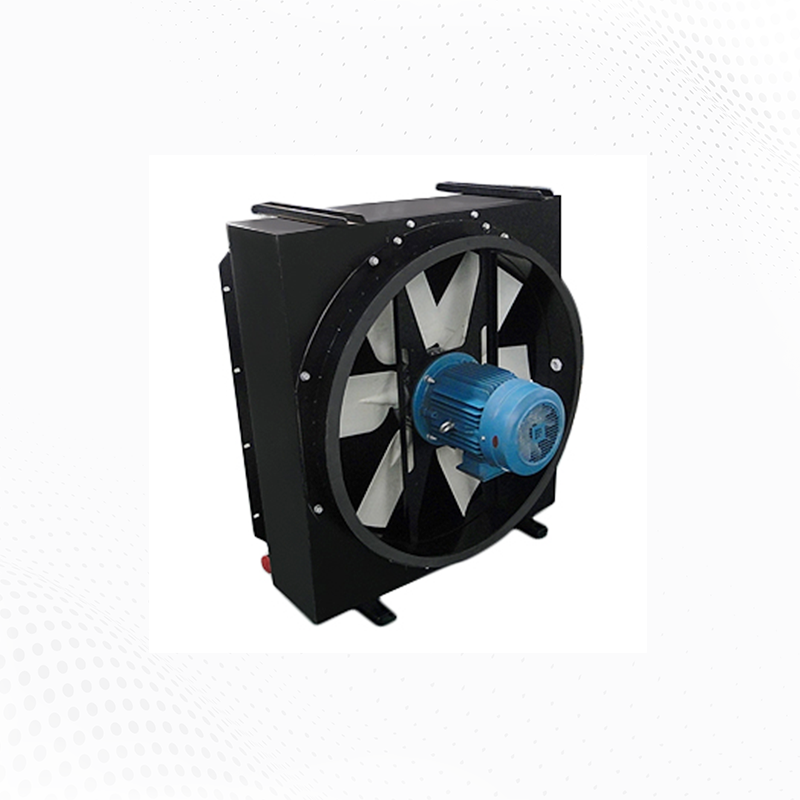
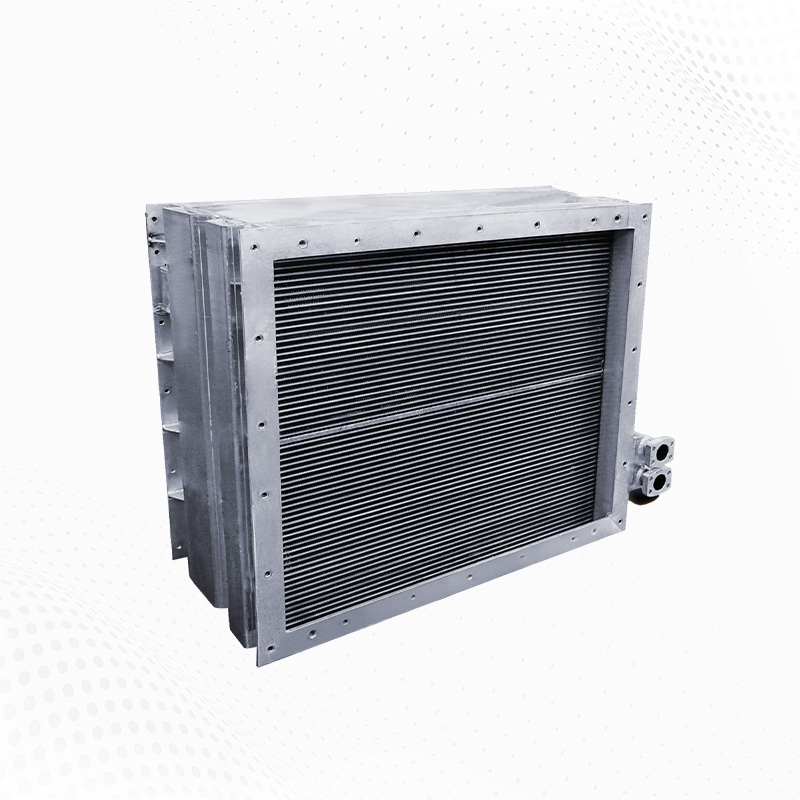
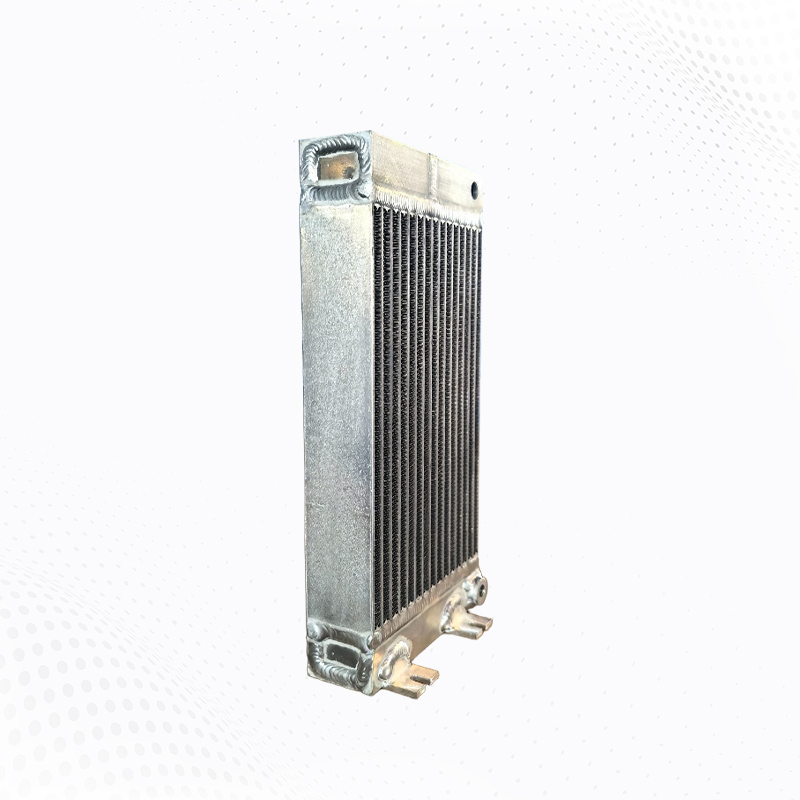
Anyone who has worked with hydraulic stations or gearbox-driven machinery knows one thing very well: once oil temperature gets out of control, problems follow quickly. Seals harden, viscosity drops, and wear accelerates. This is exactly why an Aluminum Plate Fin Air Cooled Oil Cooler remains a key component in industrial cooling systems today.
At YUDA, we often hear from customers after they experience overheating issues. In most cases, the root cause is not the pump or the gearbox itself, but an insufficient air cooled heat exchanger or an incorrectly selected gearbox oil cooler. A properly designed Aluminum Plate Fin Air Cooled Oil Cooler helps keep oil temperature within a safe working range, even under fluctuating load conditions.
Typical Application Scenarios in Real Projects
An Aluminum Plate Fin Air Cooled Oil Cooler is widely used in hydraulic power units, compressors, construction machinery, and transmission systems. These applications often operate in environments where water cooling is either unavailable or impractical.
In hydraulic systems, the unit frequently works as a compact hydraulic oil cooler radiator, ensuring oil stability during long operating hours. In mechanical transmission equipment, a dedicated gearbox oil cooler is commonly added to handle continuous friction heat. Many customers choose an Aluminum Plate Fin Air / Oil Cooler specifically because it functions reliably as an air cooled heat exchanger without requiring complex piping or water treatment.
Problems Users Often Face Before Upgrading
Before installing a suitable Aluminum Plate Fin Air Cooled Oil Cooler, users often report similar issues. Oil temperature rises slowly at first, then suddenly exceeds safe limits during peak load. Without a reliable hydraulic oil cooler radiator, hydraulic systems lose pressure stability.
In gearbox applications, the absence of a proper gearbox oil cooler leads to noisy operation and faster oil degradation. We have seen cases where a gearbox oil cooler was ignored entirely, causing repeated bearing failures. Even when an air cooled heat exchanger is installed, poor sizing can make the Aluminum Plate Fin Air / Oil Cooler ineffective under real conditions.
How to Select the Right Cooler for Your System
Selecting an Aluminum Plate Fin Air Cooled Oil Cooler starts with understanding actual operating data. Heat load, oil flow rate, ambient temperature, and airflow direction all matter.
For hydraulic circuits, a correctly sized hydraulic oil cooler radiator keeps oil viscosity stable and prevents internal leakage. For transmission systems, a separate gearbox oil cooler is strongly recommended. Trying to let one Aluminum Plate Fin Air / Oil Cooler handle both hydraulic oil and gearbox oil without proper calculation often leads to disappointing results.
If installation space is limited, choosing a compact air cooled heat exchanger with optimized fin structure can significantly improve cooling efficiency.
Practical Parameter Advice from YUDA Experience
From YUDA’s project experience, oversizing is not always better. An Aluminum Plate Fin Air Cooled Oil Cooler should match real operating conditions rather than theoretical maximums.
In hydraulic systems, the hydraulic oil cooler radiator should maintain oil temperature within the recommended working range throughout the duty cycle. In gear-driven systems, a stable gearbox oil cooler reduces thermal stress on gears, bearings, and seals. In high ambient environments, an air cooled heat exchanger with proper fin spacing and airflow design performs far better than simply increasing size.
In some heavy-duty setups, customers install both a gearbox oil cooler and an Aluminum Plate Fin Air / Oil Cooler in parallel to maintain long-term stability.
Common Mistakes That Reduce Cooling Performance
One common mistake is choosing an Aluminum Plate Fin Air / Oil Cooler purely based on dimensions. Without thermal calculation, even a large hydraulic oil cooler radiator may fail.
Another issue comes from poor airflow management. An air cooled heat exchanger cannot work efficiently if hot air recirculates. In gearbox systems, skipping a dedicated gearbox oil cooler often results in overheating during continuous operation. We also see cases where one gearbox oil cooler is undersized while the Aluminum Plate Fin Air Cooled Oil Cooler is overloaded.
Frequently Asked Buyer Questions
Can an Aluminum Plate Fin Air Cooled Oil Cooler be used outdoors?
Yes. Its structure supports stable operation in changing environments.
Is a separate gearbox oil cooler necessary?
For continuous mechanical load, a dedicated gearbox oil cooler is strongly recommended.
How critical is airflow?
Extremely critical. Every air cooled heat exchanger depends on stable airflow.
Why aluminum construction?
Aluminum improves heat transfer efficiency and reduces overall weight.
Conclusion: Cooling Solutions That Support Long Service Life
A properly selected Aluminum Plate Fin Air Cooled Oil Cooler plays a decisive role in industrial reliability. When combined with a suitable hydraulic oil cooler radiator, supported by a dedicated gearbox oil cooler, and designed as an efficient air cooled heat exchanger, the system delivers predictable and stable cooling performance. YUDA focuses on practical designs that support real industrial workloads, not just ideal laboratory conditions.
