

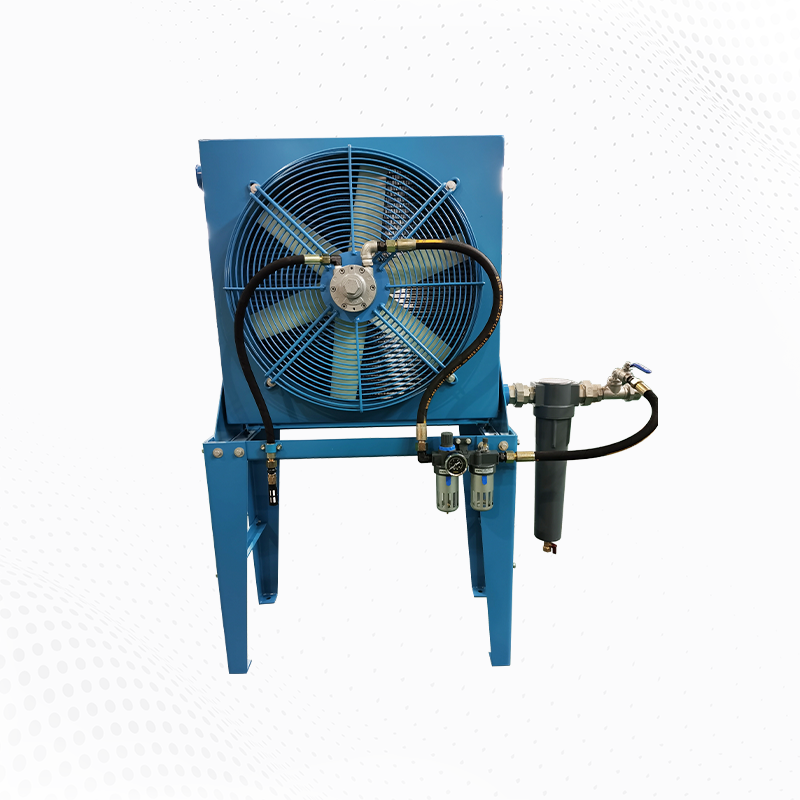
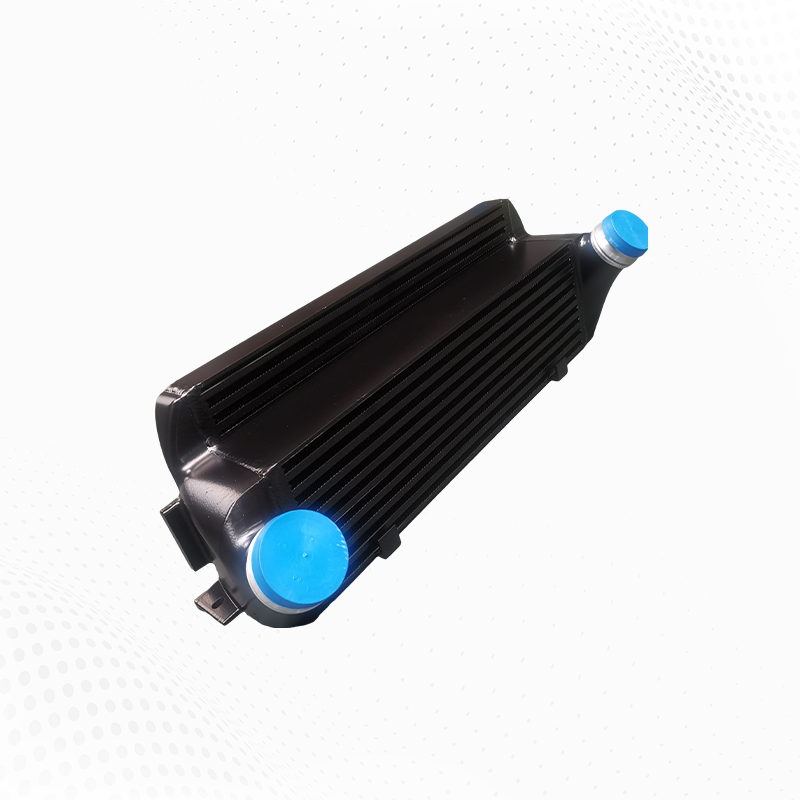
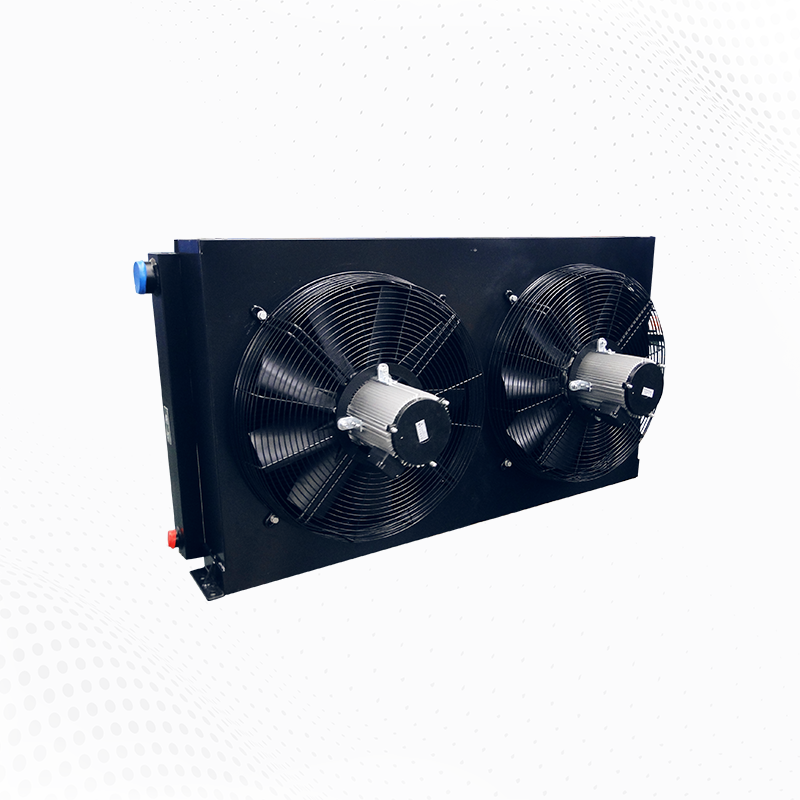
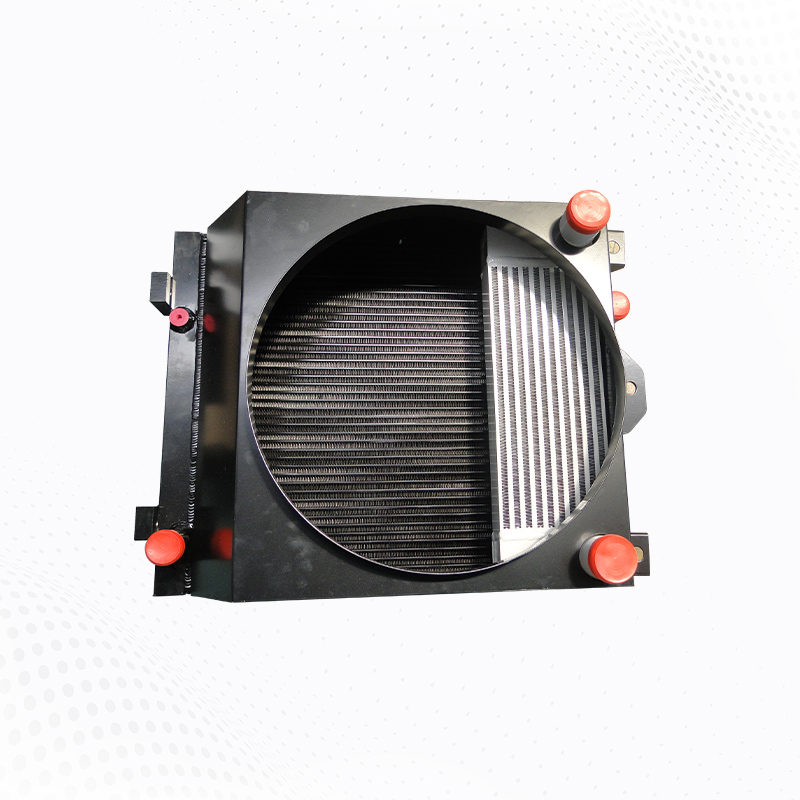
Aluminum Plate Bar Cooler Built for Gearbox and Hydraulic Systems
Introduction: Cooling Problems Usually Start Small
Most cooling issues in industrial equipment do not appear as sudden failures. Temperature slowly rises, oil performance degrades, and components wear faster than expected. In many cases, the root cause comes down to an inefficient cooling structure. That is why engineers increasingly rely on an aluminum plate bar cooler when stability and long-term reliability matter. At YUDA, we design each aluminum plate bar cooler based on real operating conditions, especially for systems that depend heavily on a reliable gearbox oil cooler configuration.
Application Scenarios: Where Cooling Performance Matters Most
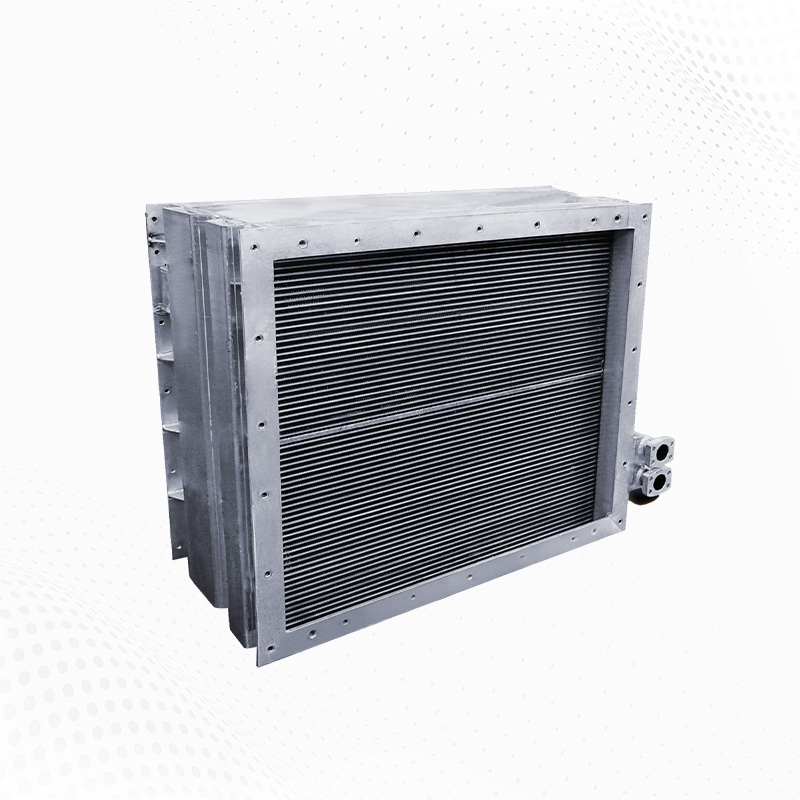
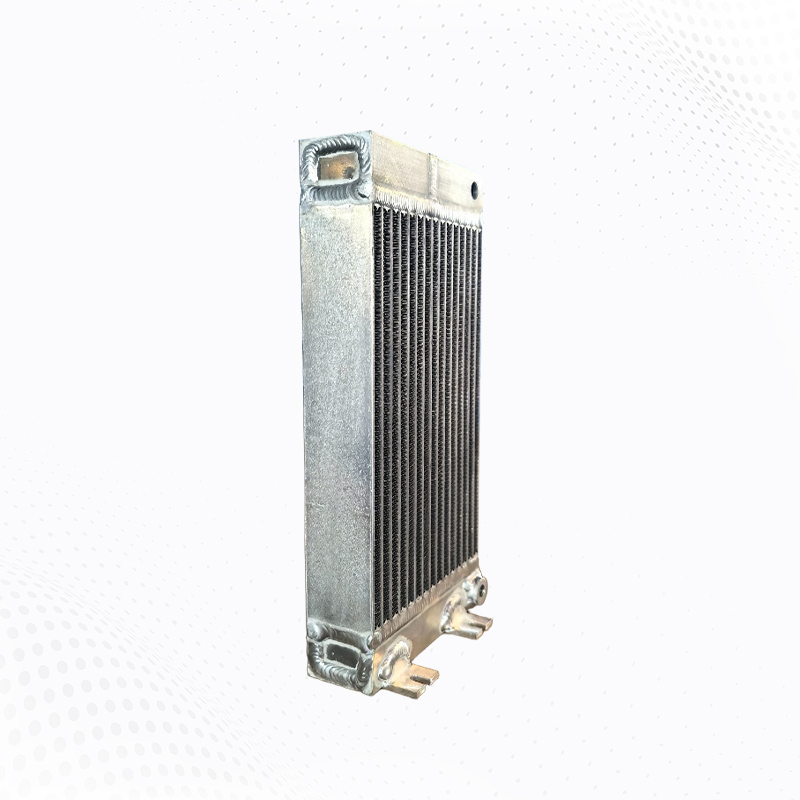
An aluminum plate bar cooler is widely used in hydraulic power units, mobile machinery, compressors, and mechanical transmission systems. These applications often generate continuous heat and cannot tolerate unstable oil temperatures.
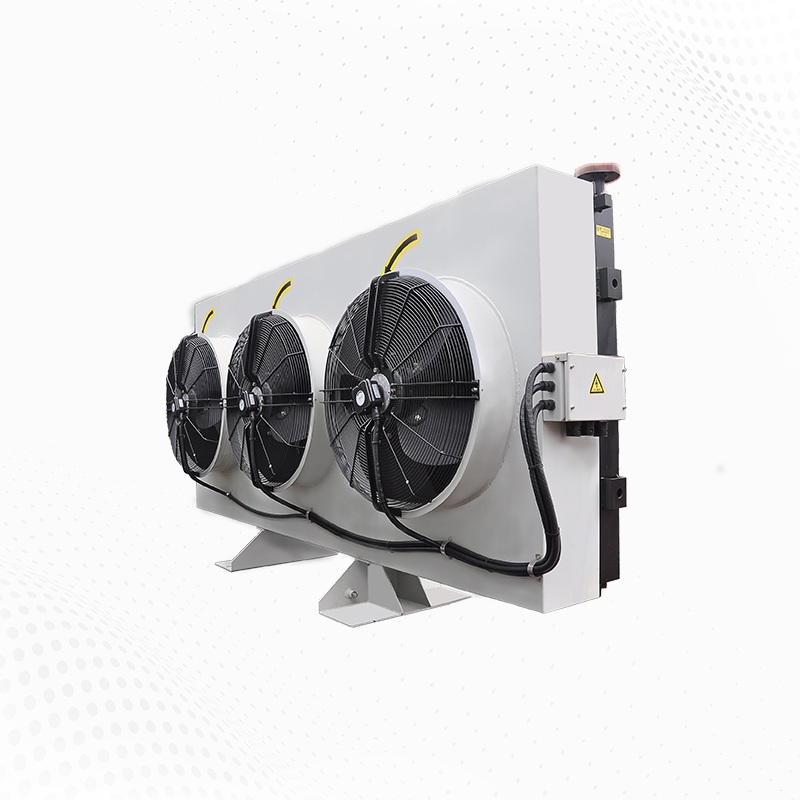
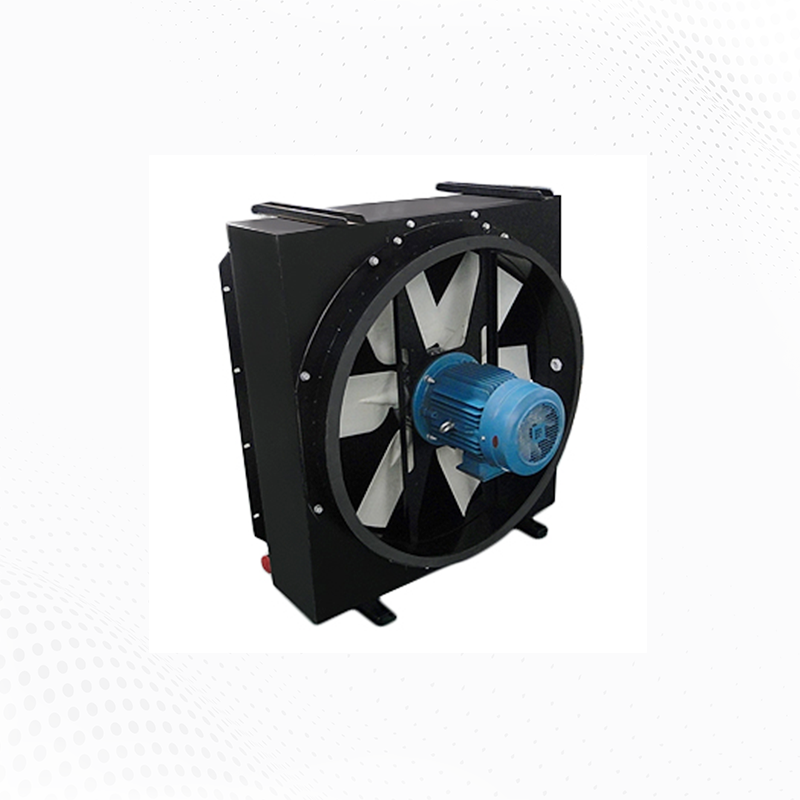
In gearbox-driven equipment, the role of a dedicated gearbox oil cooler becomes critical. A properly selected gearbox oil cooler protects gears, bearings, and seals from heat-related damage. Many systems combine the aluminum plate bar cooler with a hydraulic oil cooler radiator to manage both hydraulic oil and gearbox oil simultaneously. When airflow conditions are limited, an air cooled heat exchanger helps maintain consistent cooling performance.
Pain Points: What Buyers Commonly Worry About
From a customer’s point of view, cooling concerns usually focus on three areas: overheating, maintenance cost, and system downtime.
An undersized aluminum plate bar cooler often struggles to support a high-load gearbox oil cooler, leading to rising oil temperature. Without a stable hydraulic oil cooler radiator, hydraulic efficiency drops quickly. In outdoor or mobile applications, poor airflow makes an air cooled heat exchanger essential. When gearbox temperature spikes, the lack of a dedicated gearbox oil cooler often causes accelerated wear and unexpected shutdowns.
Selection Guide: How to Choose the Right Solution
Selecting an aluminum plate bar cooler requires more than matching dimensions. Buyers should first confirm heat load, oil flow rate, and pressure limits.
For mechanical transmission systems, always prioritize compatibility with a gearbox oil cooler. A well-matched gearbox oil cooler ensures stable lubrication under continuous load. In hydraulic circuits, pairing the aluminum plate bar cooler with a hydraulic oil cooler radiator helps maintain oil viscosity. When natural airflow cannot meet cooling demand, integrating an air cooled heat exchanger improves thermal balance without adding complexity.
Parameter Recommendations from YUDA Experience
Based on field applications, YUDA recommends monitoring temperature differentials across the aluminum plate bar cooler to confirm efficiency. A stable pressure drop indicates proper internal flow design.
In gearbox applications, a dedicated gearbox oil cooler should maintain oil temperature within the recommended operating range. Many customers use both a gearbox oil cooler and a hydraulic oil cooler radiator in the same system. In high ambient environments, an air cooled heat exchanger provides reliable heat dissipation even during peak operation. For heavy-duty gear systems, adding an extra gearbox oil cooler circuit improves long-term durability.
Common Mistakes to Avoid
One common mistake is assuming one cooler can handle both hydraulic and gearbox heat without proper calculation. A missing or undersized gearbox oil cooler often leads to premature gear wear.
Another mistake involves ignoring airflow requirements when installing an air cooled heat exchanger. Some systems also fail to align the aluminum plate bar cooler correctly with the hydraulic oil cooler radiator, reducing efficiency. In transmission-heavy machinery, skipping a gearbox oil cooler or selecting the wrong size gearbox oil cooler increases oil oxidation and noise levels.
Buyer Questions Answered Clearly
Do I really need a gearbox oil cooler?
Yes. A dedicated gearbox oil cooler protects gears under continuous load.
Can one aluminum plate bar cooler support multiple systems?
Yes, when combined correctly with a hydraulic oil cooler radiator.
Is airflow critical?
Absolutely. An air cooled heat exchanger stabilizes cooling in variable environments.
Does cooler material matter?
Aluminum provides efficient heat transfer with lower weight.
Conclusion: Cooling That Supports Long-Term Operation
A well-designed aluminum plate bar cooler plays a central role in modern industrial systems. When paired with a properly sized gearbox oil cooler, supported by a hydraulic oil cooler radiator, and enhanced with an air cooled heat exchanger, the system achieves stable thermal control. YUDA focuses on practical engineering, ensuring every gearbox oil cooler solution delivers consistent performance over long service cycles.
