

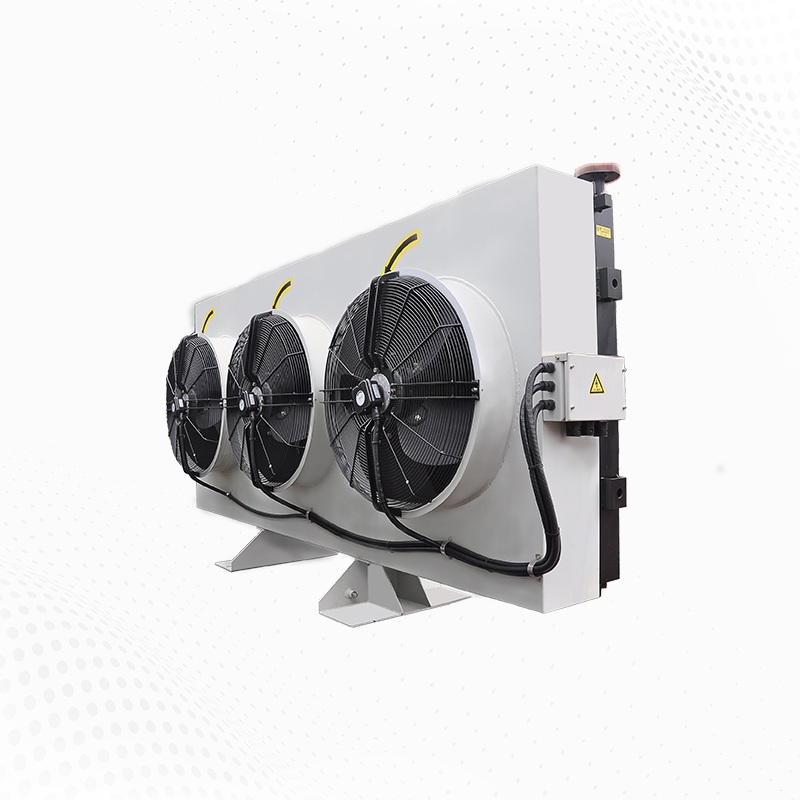
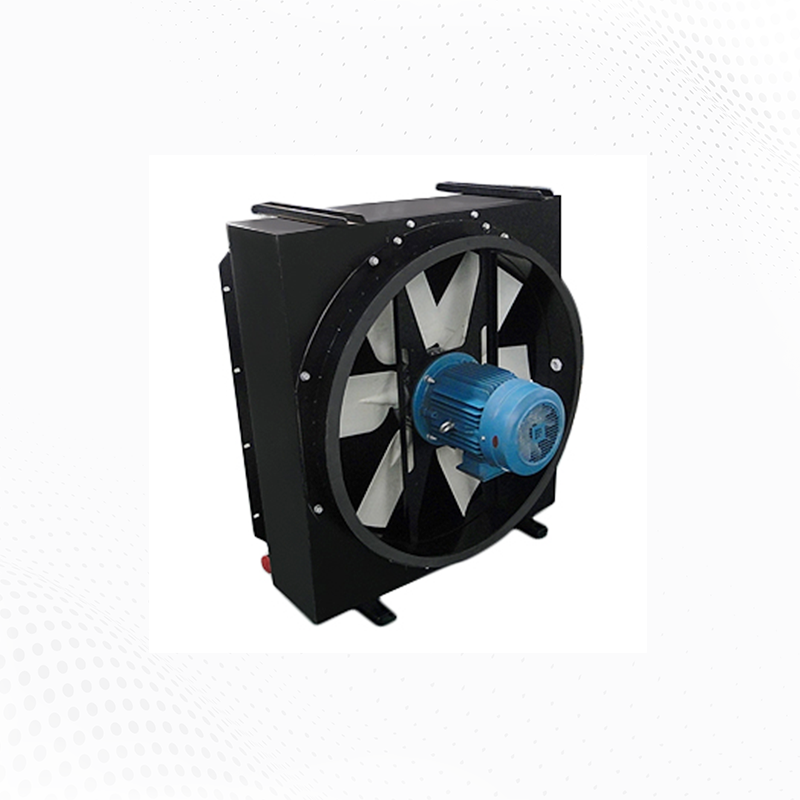
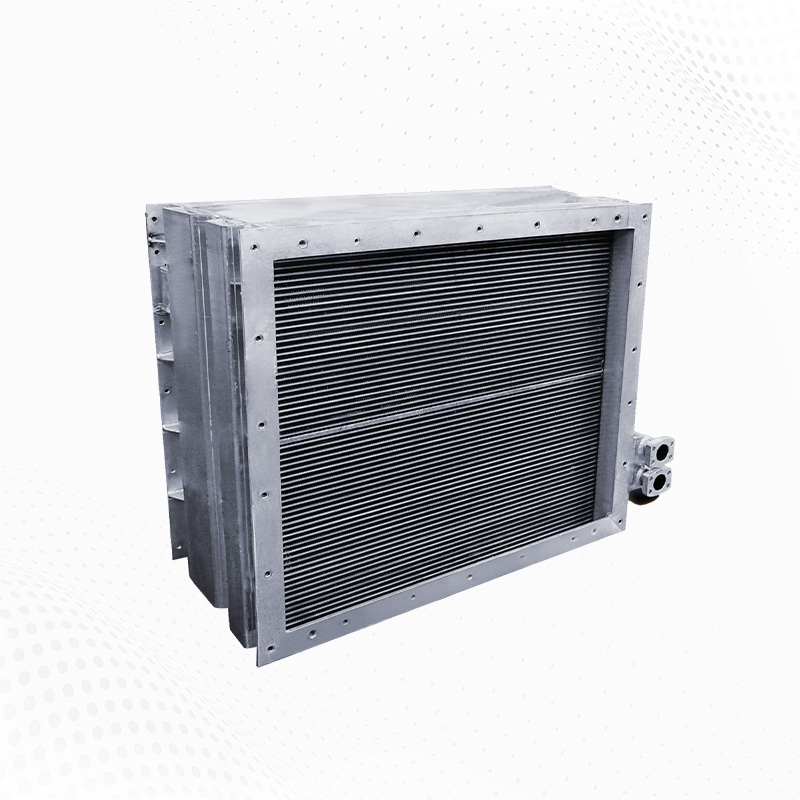
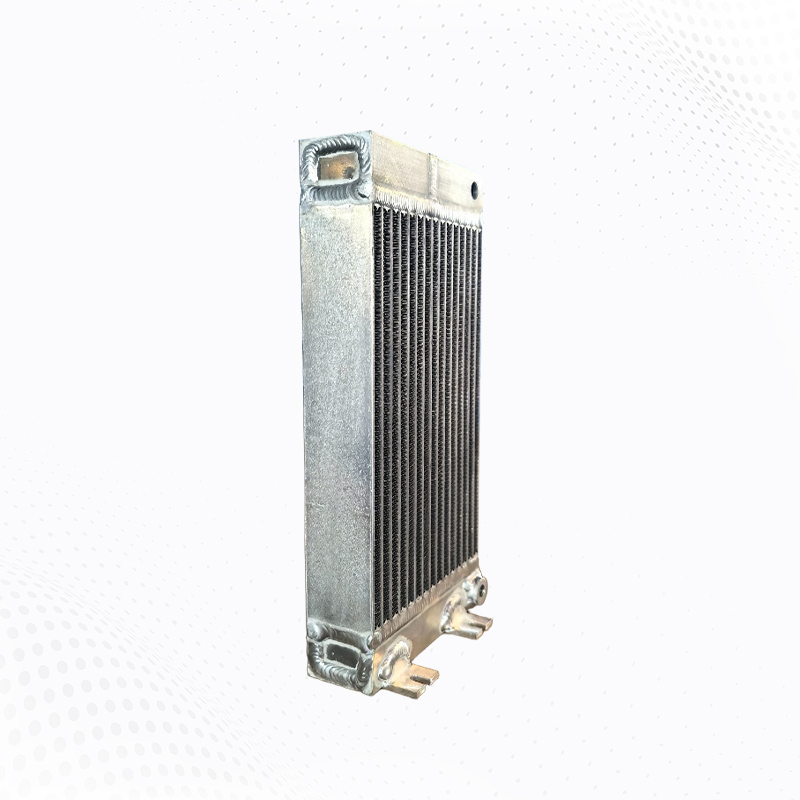
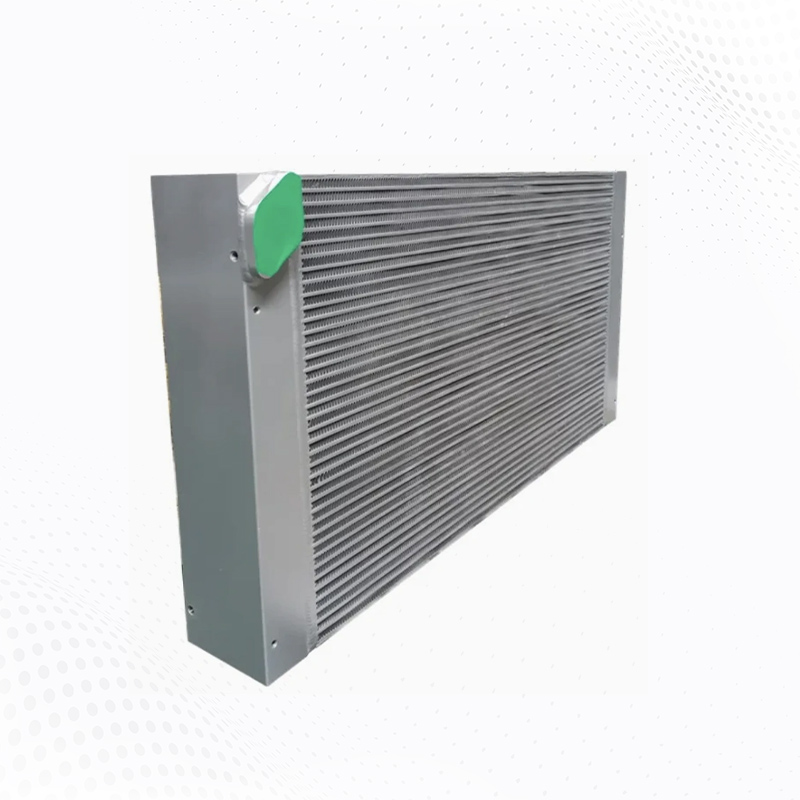
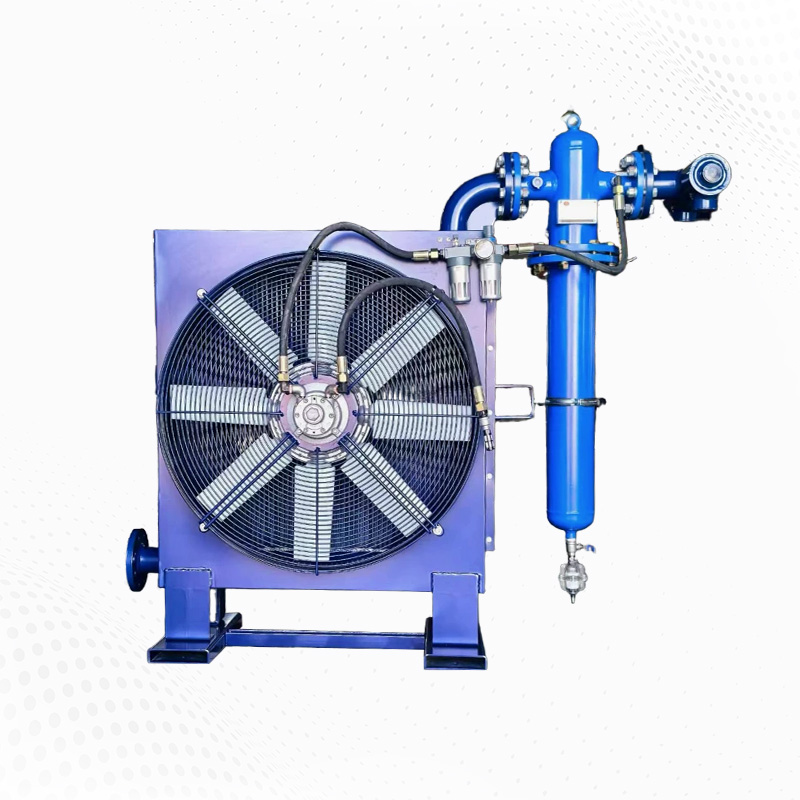
Reliable Water Cooler Solutions for Inner Converter Cabinets
Introduction: Why Cooling Inside Converter Cabinets Matters
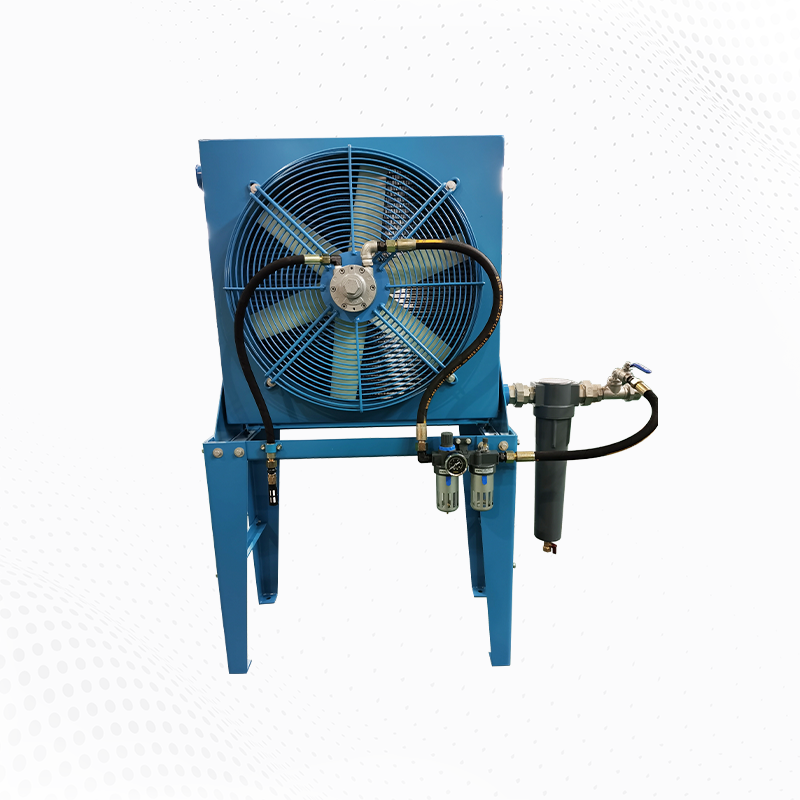
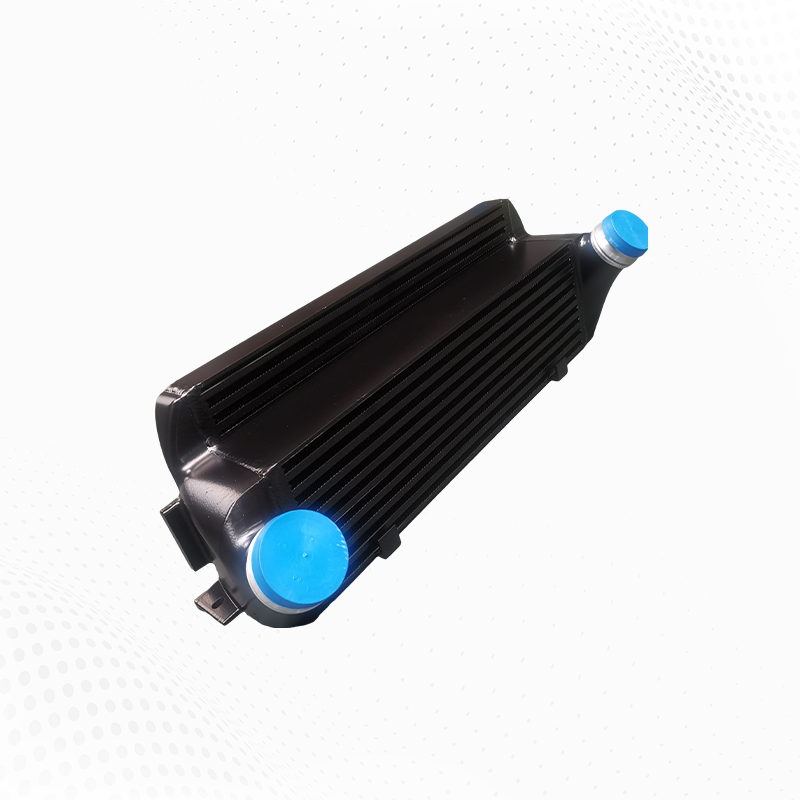
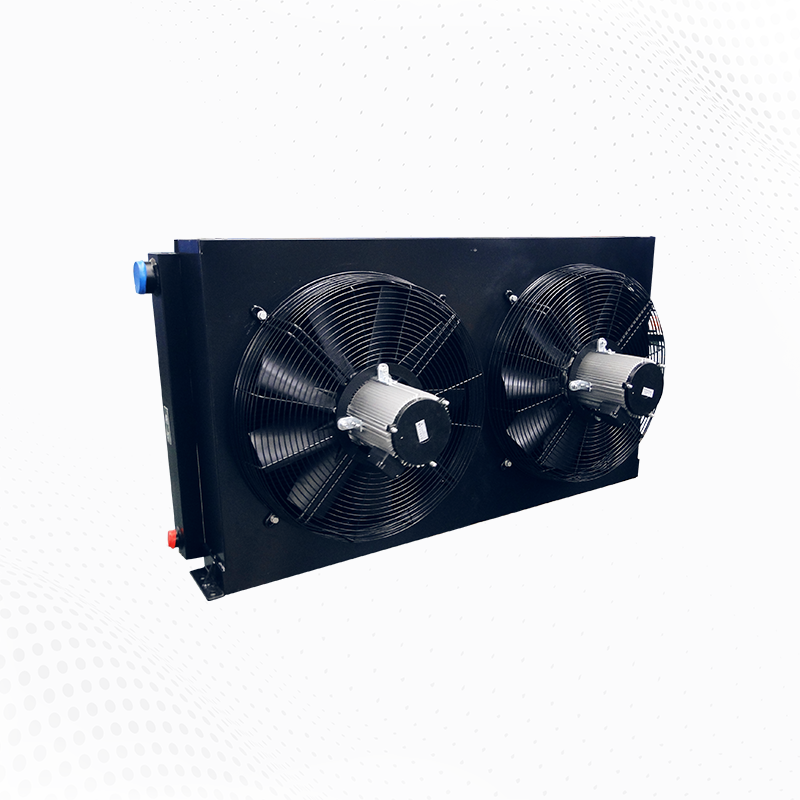
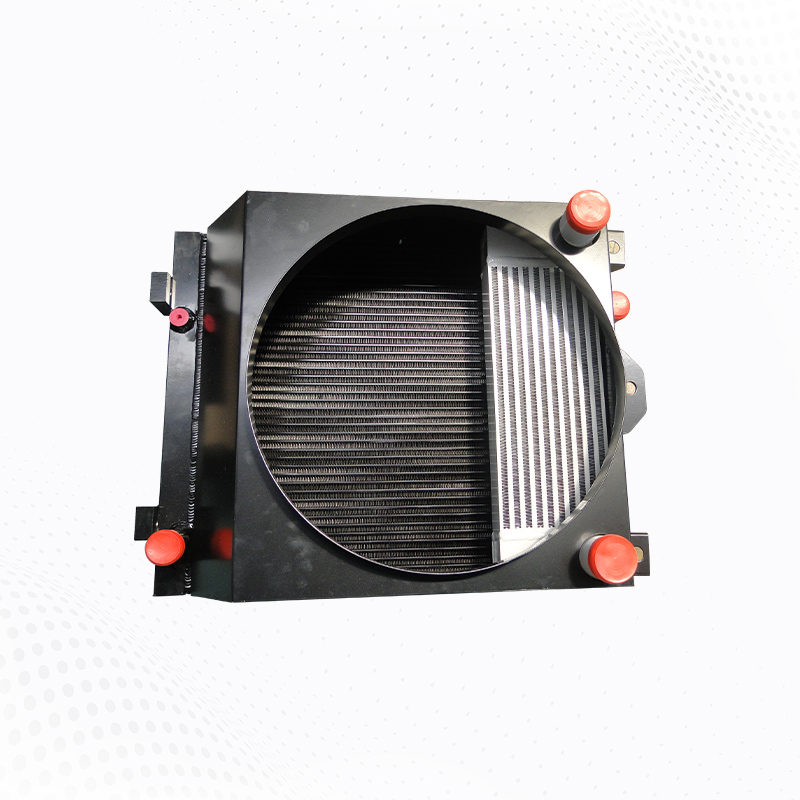
Inside modern power electronics systems, temperature stability directly affects reliability. Components inside an inner converter cabinet operate under constant electrical load, and even small temperature fluctuations can shorten service life. That is why a Water Cooler For Inner Converter Cabinet plays such a critical role. At YUDA, we focus on practical cooling design based on real cabinet layouts and long-term operating data. Our Water Cooler solutions help users control heat precisely and protect sensitive components.
Application Scenarios: Where a Water Cooler For Inner Converter Cabinet Works Best
A Water Cooler For Inner Converter Cabinet is commonly used in frequency converters, SVG systems, inverter cabinets, and industrial power control rooms. These cabinets often have limited airflow and high heat density.
In these conditions, a Water Cooler For Inner Converter Cabinet offers clear advantages over air-only solutions. Many customers pair the system with a hydraulic water cooler to maintain stable coolant temperature. In higher-load environments, a water cooled hydraulic oil cooler supports continuous operation and improves overall cabinet thermal balance. From YUDA’s experience, combining liquid cooling with smart cabinet layout creates predictable results.
Common Pain Points from a Buyer’s Perspective
Most buyers start looking for a Water Cooler For Inner Converter Cabinet after facing repeated overheating alarms or shortened component lifespan. Excess heat inside a cabinet causes insulation aging and unstable electronic performance.
Without a reliable Water Cooler For Inner Converter Cabinet, internal fans recycle hot air. Users often discover that adding a hydraulic water cooler improves system stability but does not fully solve cabinet-level heat buildup. In these cases, a water cooled hydraulic oil cooler helps regulate heat transfer more evenly. Poor sealing, inconsistent coolant flow, and mismatched capacity remain common buyer concerns.
Selection Guide: How to Choose the Right Model
Choosing the right Water Cooler starts with understanding heat load, cabinet size, and ambient conditions. Buyers should confirm total power loss and cooling demand before selecting capacity.
YUDA recommends checking whether the system integrates with an existing hydraulic water cooler loop or requires a standalone unit. In high-density cabinets, pairing the Water Cooler For Inner Converter Cabinet with a water cooled hydraulic oil cooler improves heat dissipation efficiency. Space constraints, noise limits, and maintenance access also influence the final selection.
Parameter Suggestions Based on YUDA Experience
From real projects, YUDA advises customers to size the Water Cooler based on continuous load rather than peak values. Stable flow rate and consistent inlet temperature matter more than oversized components.
A properly configured hydraulic water cooler should maintain coolant temperature within a narrow range. When oil circuits interact with cabinet cooling, a water cooled hydraulic oil cooler helps isolate heat sources. For long operating cycles, the Water Cooler benefits from corrosion-resistant materials and reliable pump performance.
Common Mistakes to Avoid
One common mistake involves selecting a Water Cooler without accounting for real cabinet airflow paths. Another mistake comes from assuming a standard hydraulic water cooler fits every application.
Some users oversize a water cooled hydraulic oil cooler, which increases cost without improving performance. Others underestimate maintenance needs and ignore water quality, reducing the efficiency of the Water Cooler For Inner Converter Cabinet over time. Correct installation and regular inspection prevent these issues.
Buyer Questions Answered Clearly
Is a Water Coole better than air cooling?
Yes, liquid cooling handles higher heat density more effectively.
Can it work with an existing hydraulic water cooler?
Yes, many systems integrate smoothly with a hydraulic water cooler.
Do I need a separate oil cooler?
In mixed systems, a water cooled hydraulic oil cooler improves stability.
Is maintenance complicated?
No. A well-designed Water Cooler stays easy to service.
Conclusion: Stable Cooling Builds Long-Term Reliability
A properly designed Water Cooler protects sensitive electronics and extends equipment life. When supported by a hydraulic water cooler and, where needed, a water cooled hydraulic oil cooler, the system delivers predictable thermal control. YUDA focuses on proven cooling structures, real-world experience, and reliable performance to help customers maintain stable converter cabinet operation.
