

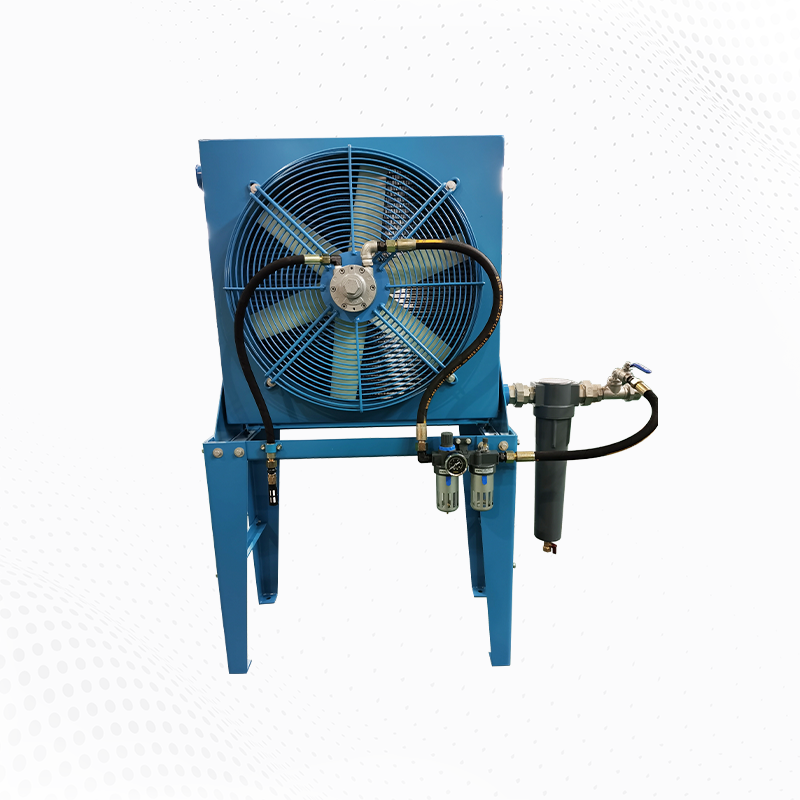
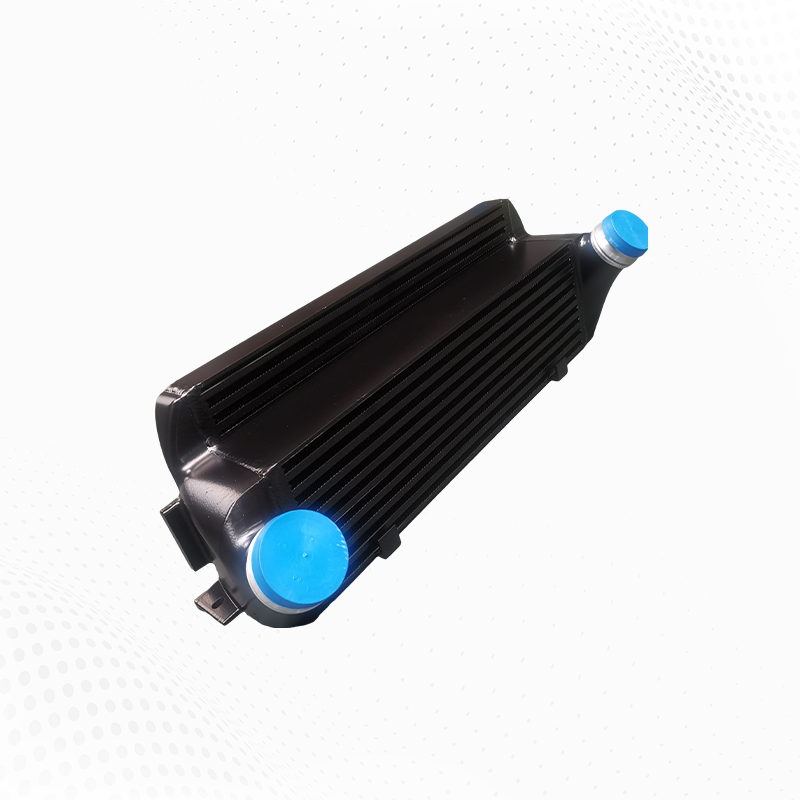
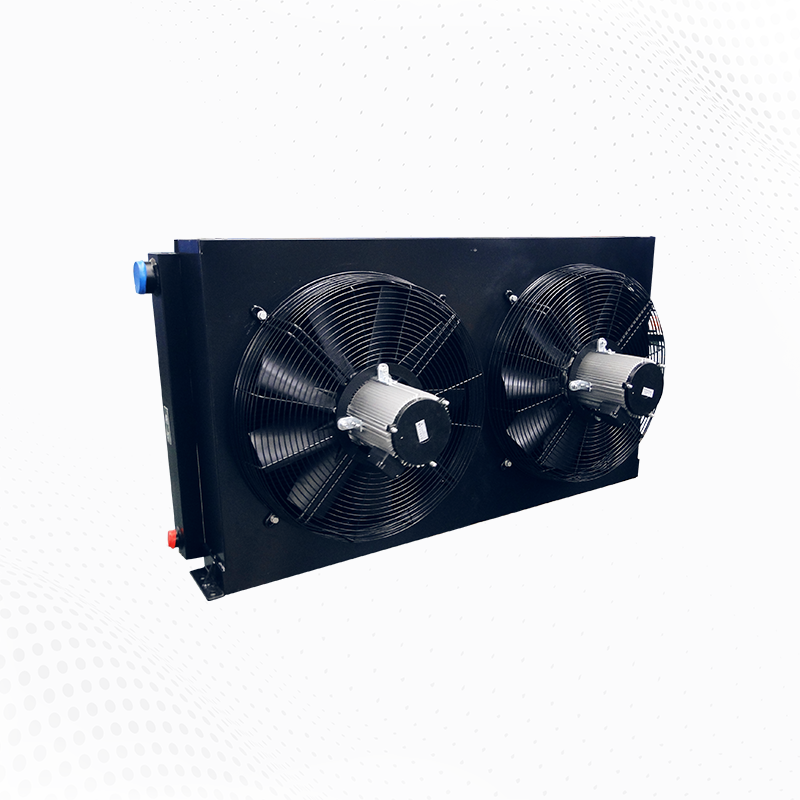
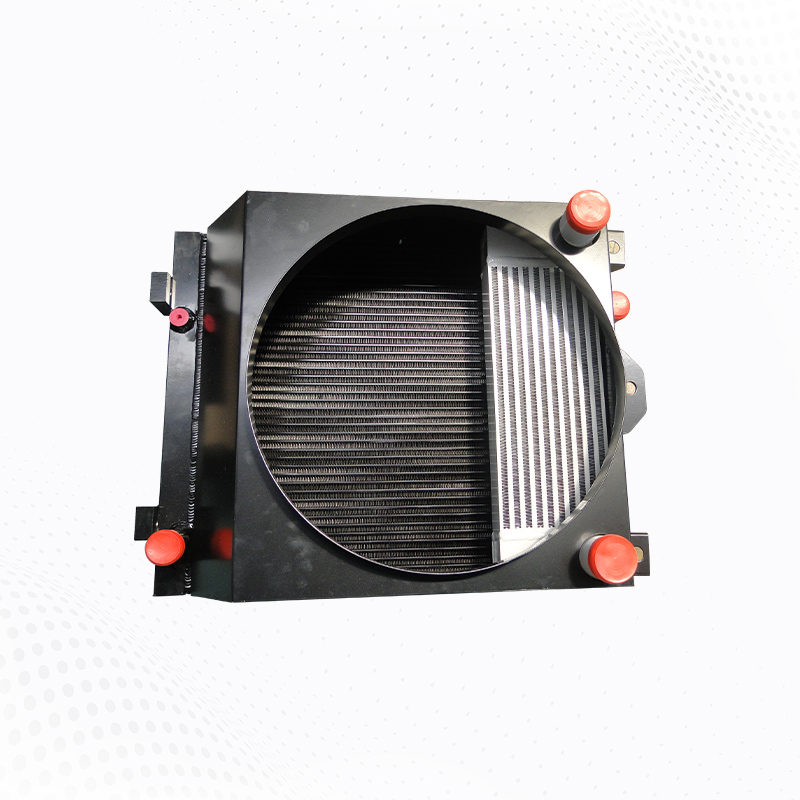
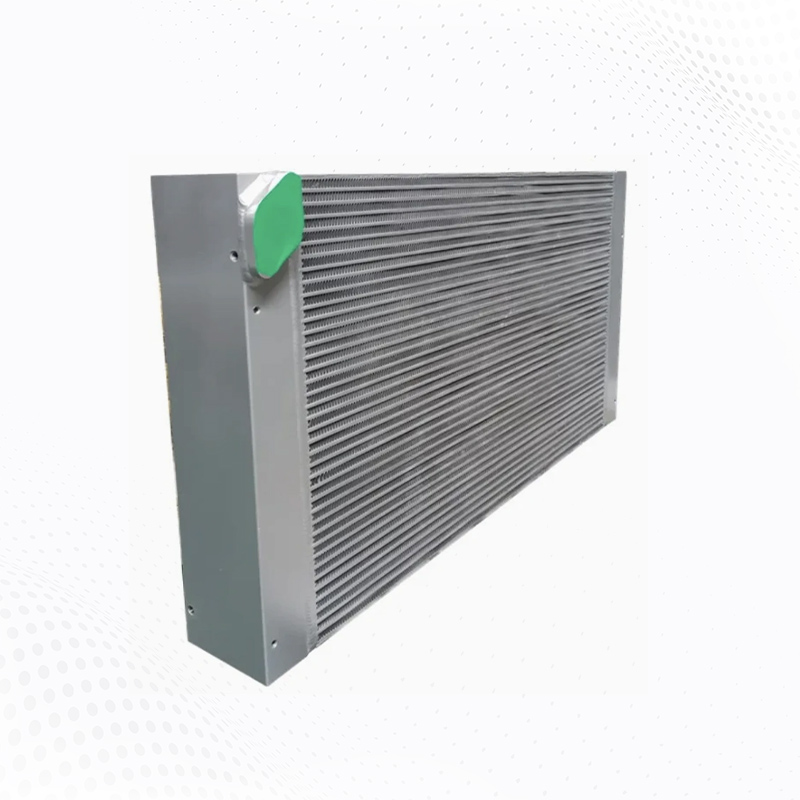
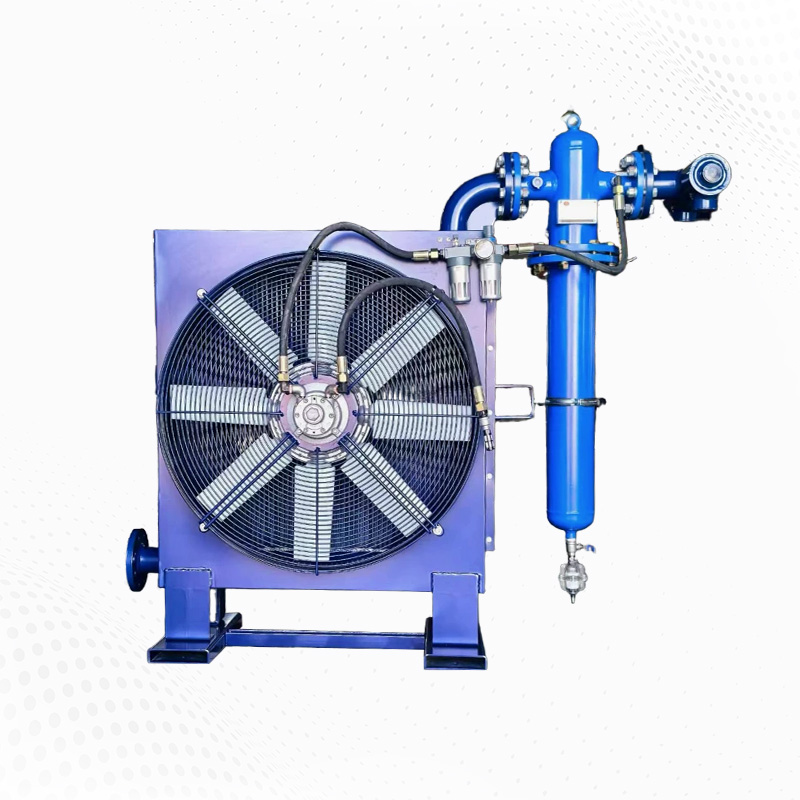
EV Supercharger Liquid Cooling System Buying Guide
Introduction
As EV charging power keeps increasing, heat management becomes a bigger challenge for charging stations. Once temperatures rise too quickly, charging efficiency drops and equipment stability becomes harder to maintain.
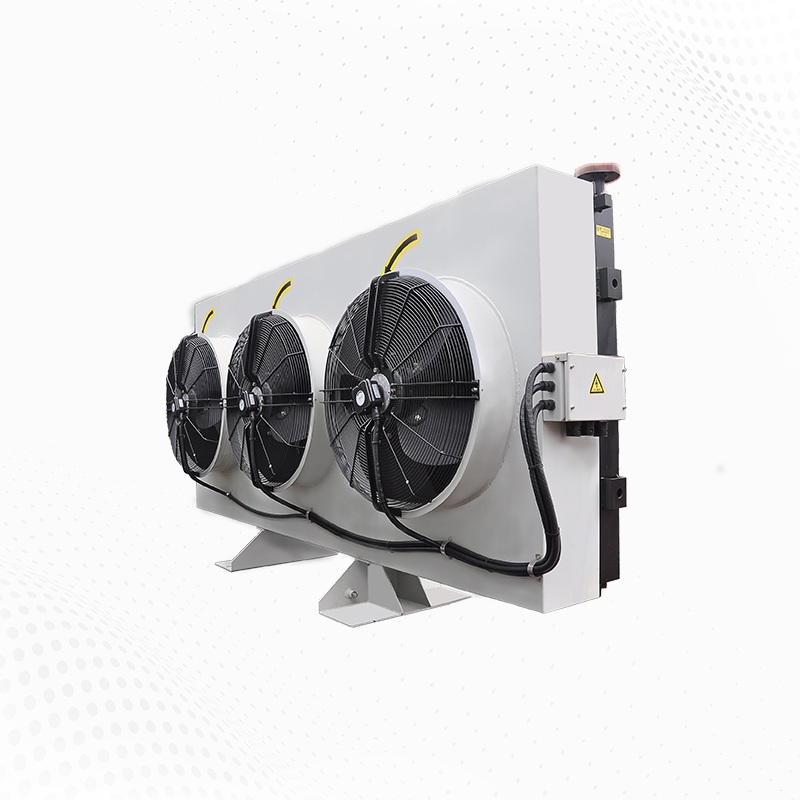
That is why the EV Supercharger Liquid Cooling System is becoming more common in modern charging infrastructure. Compared with traditional air cooling, the EV Supercharger Liquid Cooling System removes heat faster and supports more stable operation during continuous fast charging.
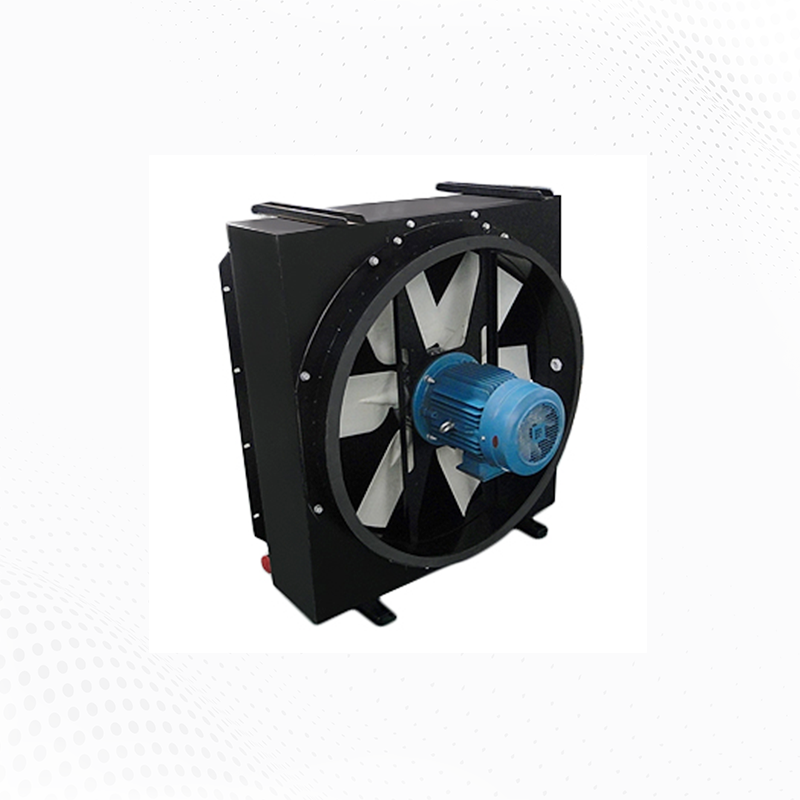
Many operators now prefer a liquid cooled charging system for EV stations because it improves thermal control in high-power applications. A high efficiency cooling solution for DC fast charging also helps reduce overheating risks during long charging cycles, while a compact liquid cooling system for electric vehicle chargers saves valuable installation space inside charging cabinets.
Why Fast Charging Creates More Heat Than Before
As charging power increases, heat generation increases with it. Traditional air cooling often struggles once charging systems reach higher output levels.
When cooling performance becomes unstable, operators may notice:
Charging speed dropping unexpectedly
Charging cable temperature rising
System shutdown alarms
Reduced equipment lifespan
Higher maintenance frequency
A properly designed EV Supercharger Liquid Cooling System helps maintain stable operating temperature during continuous charging cycles.
Many charging station builders now use a liquid cooled charging system for EV stations because liquid cooling transfers heat more efficiently than standard fan-based systems.
For high-power charging projects, a high efficiency cooling solution for DC fast charging also improves long-term operational stability.
Common Applications for EV Supercharger Liquid Cooling System
Public Fast Charging Stations
Public charging stations often run continuously throughout the day. A stable EV Supercharger Liquid Cooling System helps prevent overheating during repeated charging sessions.
Many operators now choose a compact liquid cooling system for electric vehicle chargers because modern charging cabinets leave limited installation space.
Commercial Fleet Charging
Fleet vehicles usually charge in batches, creating long continuous operating periods. In these situations, a high efficiency cooling solution for DC fast charging helps maintain charging consistency.
Highway Charging Networks
Outdoor highway charging stations experience changing weather conditions year-round. A liquid cooled charging system for EV stations performs more reliably under high ambient temperature conditions.
How to Choose the Right EV Supercharger Liquid Cooling System
Match Cooling Capacity to Charging Power
A larger charger creates more thermal load. The EV Supercharger Liquid Cooling System should match actual charging output instead of relying only on cabinet size.
Consider Space Limitations
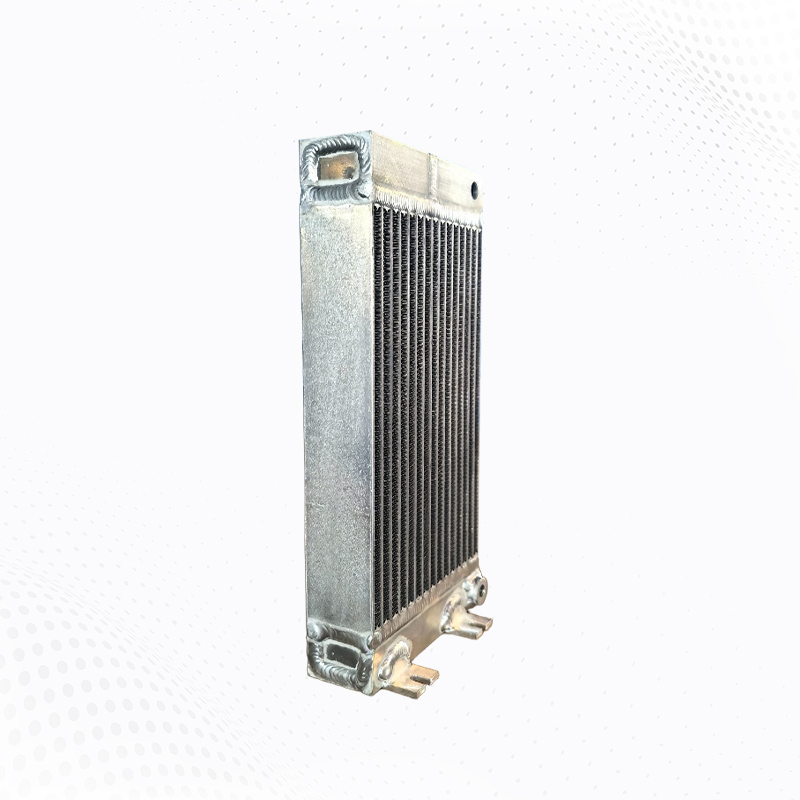
Modern charging stations often require compact internal layouts. A compact liquid cooling system for electric vehicle chargers helps optimize available installation space.
Focus on Continuous Operation
Some cooling systems perform well only during short charging periods. A high efficiency cooling solution for DC fast charging handles long-duration charging more effectively.
Check Outdoor Durability
Outdoor charging stations require reliable environmental protection. A liquid cooled charging system for EV stations should maintain stable cooling performance under rain, dust, and heat exposure.
Recommended Maintenance Suggestions
Monitor Coolant Condition
Coolant quality directly affects heat transfer efficiency inside the EV Supercharger Liquid Cooling System.
Inspect Hose Connections Regularly
Long-term operation may gradually loosen fittings. Regular inspection helps prevent leakage problems.
Keep Airflow Areas Clean
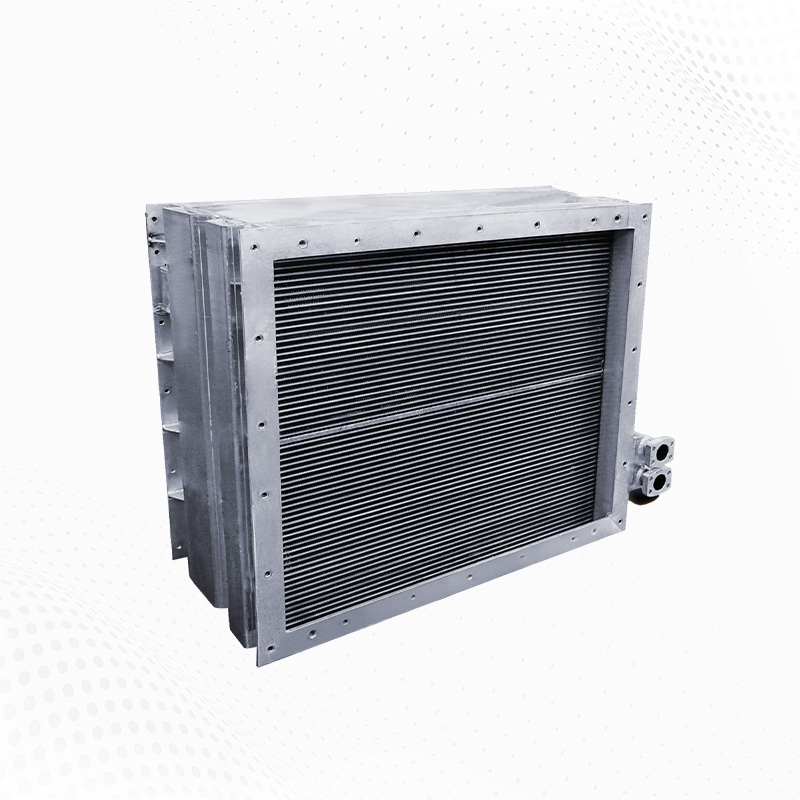
Even liquid cooling systems still depend on stable airflow around heat exchangers. A compact liquid cooling system for electric vehicle chargers performs best when airflow remains unobstructed.
Watch Temperature Changes
Sudden temperature fluctuation often indicates cooling performance issues inside the high efficiency cooling solution for DC fast charging.
Common Buying Mistakes
Choosing Air Cooling for High-Power Charging
Traditional air cooling may struggle once charging power increases significantly. Many operators later upgrade to an EV Supercharger Liquid Cooling System after facing overheating problems.
Ignoring Installation Space
Some cooling assemblies occupy too much cabinet space. A compact liquid cooling system for electric vehicle chargers often works better for modern charging layouts.
Focusing Only on Initial Cost
Lower-cost cooling systems sometimes create higher maintenance expenses later. A reliable liquid cooled charging system for EV stations usually offers better long-term stability.
Overlooking Continuous Load Conditions
A high efficiency cooling solution for DC fast charging should maintain stable performance even during long charging cycles.
Why Many Customers Choose YUDA
YUDA focuses on industrial cooling technology designed for demanding thermal management applications. Every EV Supercharger Liquid Cooling System from YUDA is developed around real charging environments instead of simplified laboratory conditions.
Customers often choose YUDA because the liquid cooled charging system for EV stations provides stable cooling performance during continuous operation.
Many charging equipment manufacturers also prefer the high efficiency cooling solution for DC fast charging because it supports higher charging stability and improved thermal control.
For compact charging cabinets, the compact liquid cooling system for electric vehicle chargers remains a practical option due to its efficient structure and flexible installation design.
Conclusion
As EV charging power continues increasing, thermal management becomes more important than ever. Overheating directly affects charging efficiency, equipment reliability, and long-term maintenance cost.
A properly selected EV Supercharger Liquid Cooling System helps charging stations maintain stable performance under demanding operating conditions. Whether the application involves public charging stations, commercial fleets, or highway charging networks, reliable liquid cooling technology makes a noticeable difference in daily operation.
YUDA continues providing cooling solutions designed specifically for modern EV charging infrastructure where stable temperature control and operational reliability matter every day.
