

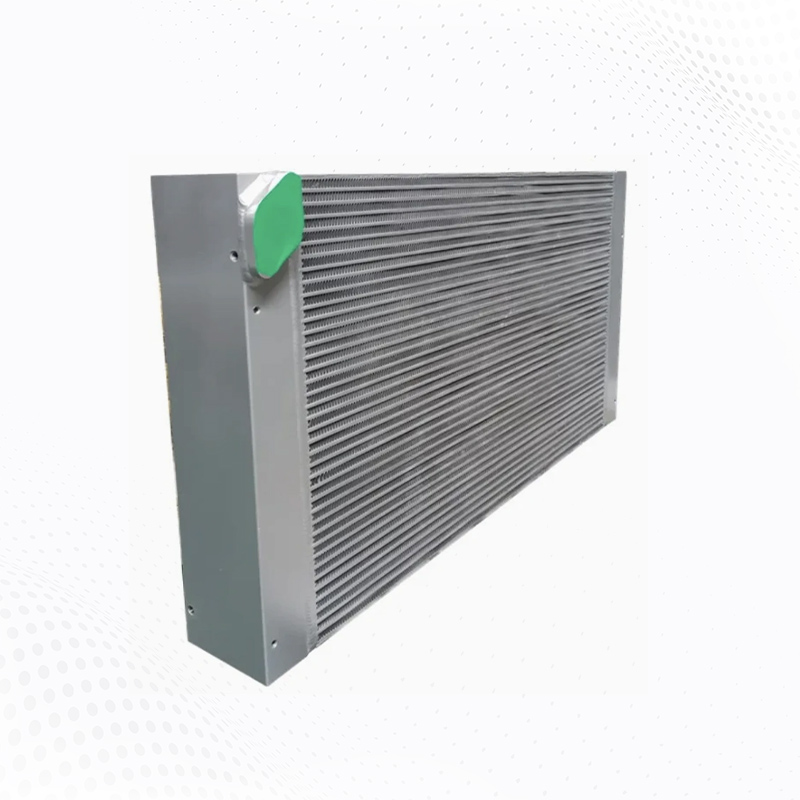
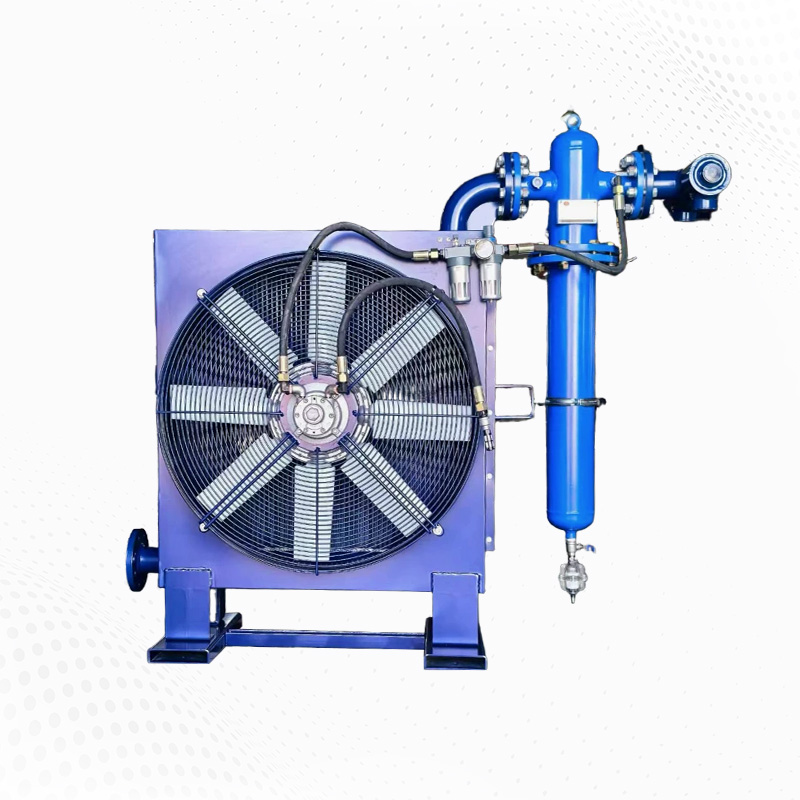
Aluminum Plate Fin Heat Exchanger for Reliable Industrial Cooling
Introduction: Why Efficient Heat Exchange Still Matters
In many industrial systems, thermal control decides whether equipment runs smoothly or fails early. From hydraulic units to compressors and power electronics, stable temperature management protects performance and reduces downtime. This is where an aluminum plate fin heat exchanger shows its value. At YUDA, we have spent years working with real operating conditions, not just lab data. Our experience tells us that a well-designed aluminum plate-fin heat exchanger delivers consistent cooling, predictable performance, and long service life across demanding applications.
Application Scenarios: Where Aluminum Plate Fin Heat Exchangers Are Used
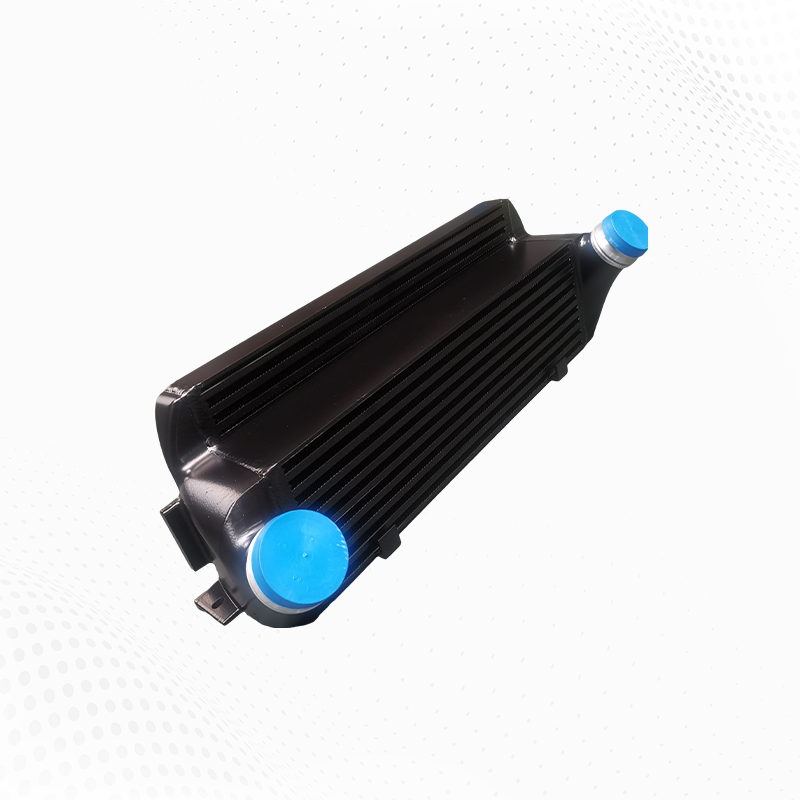
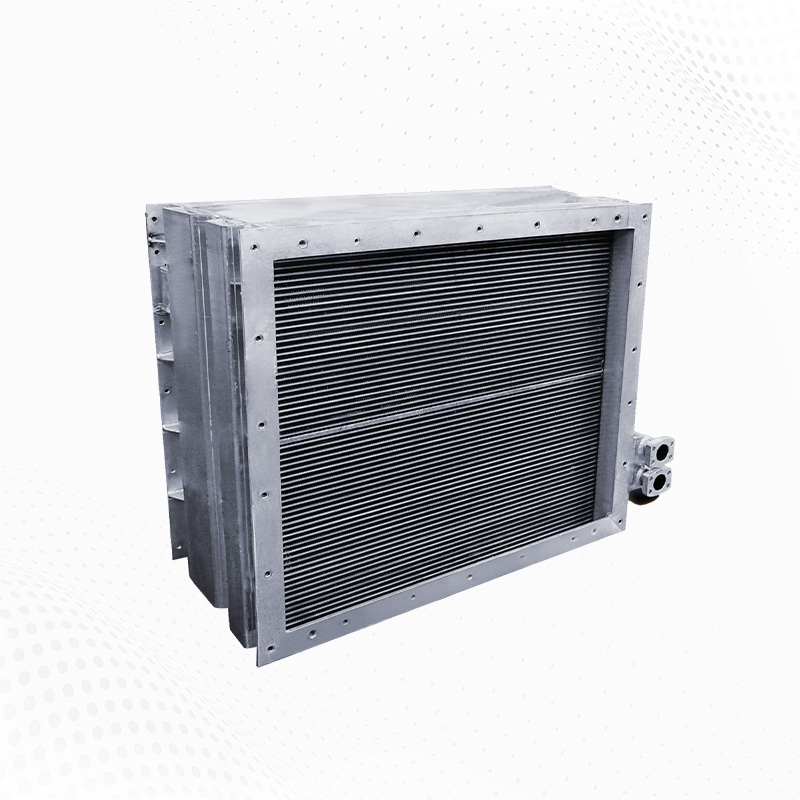
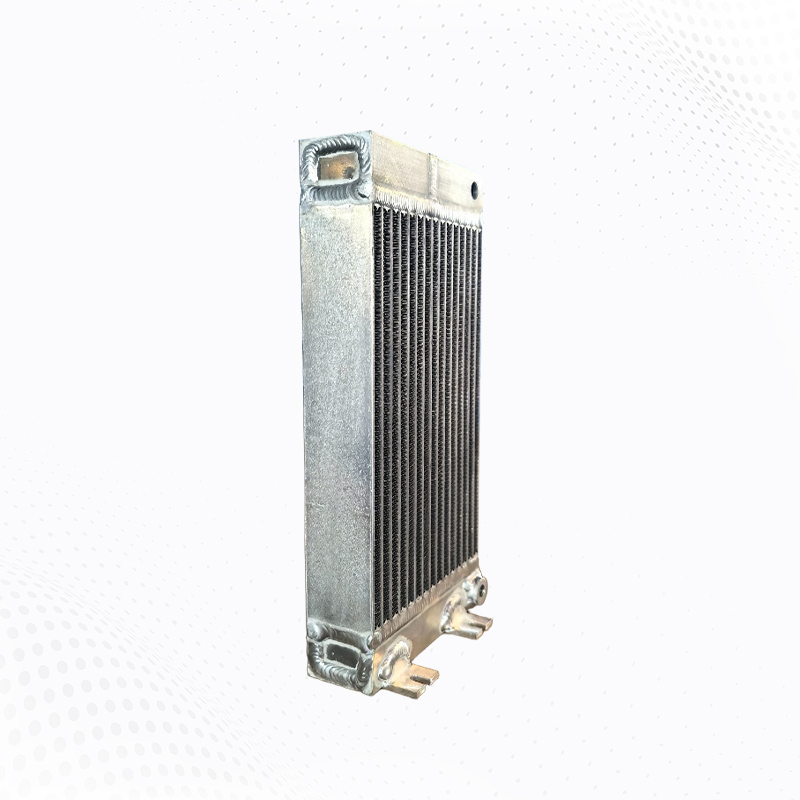
An aluminum plate fin heat exchanger fits naturally into industrial machinery, mobile equipment, compressors, and hydraulic systems. These environments often demand compact structure, fast heat transfer, and low weight.
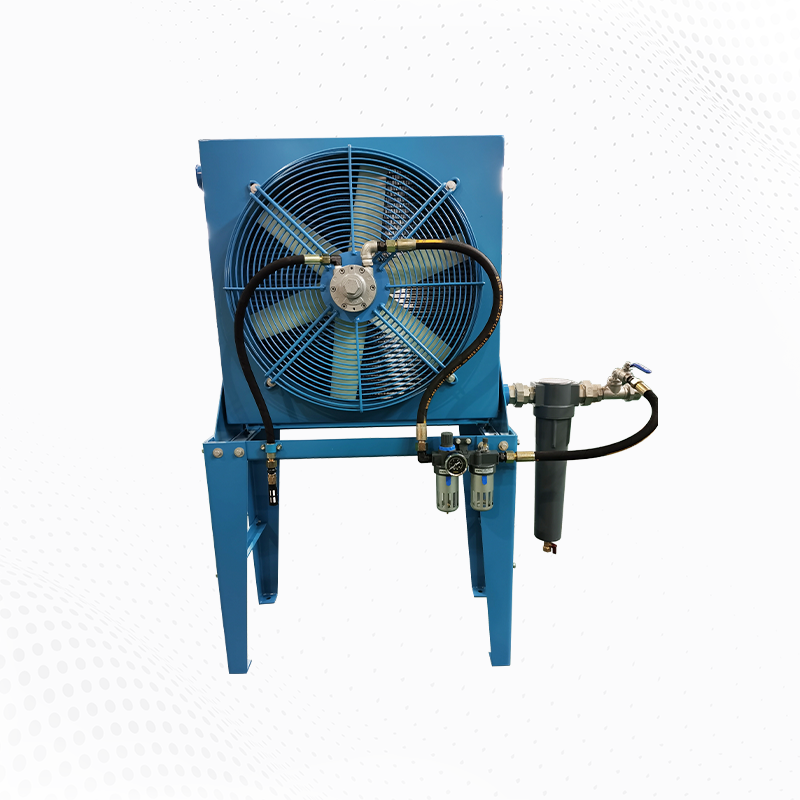
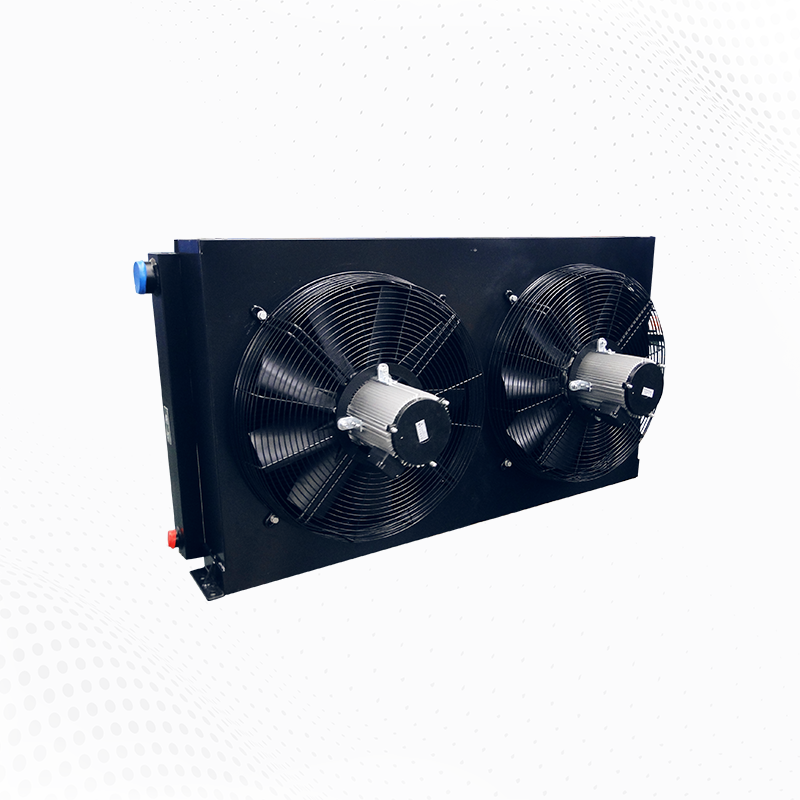
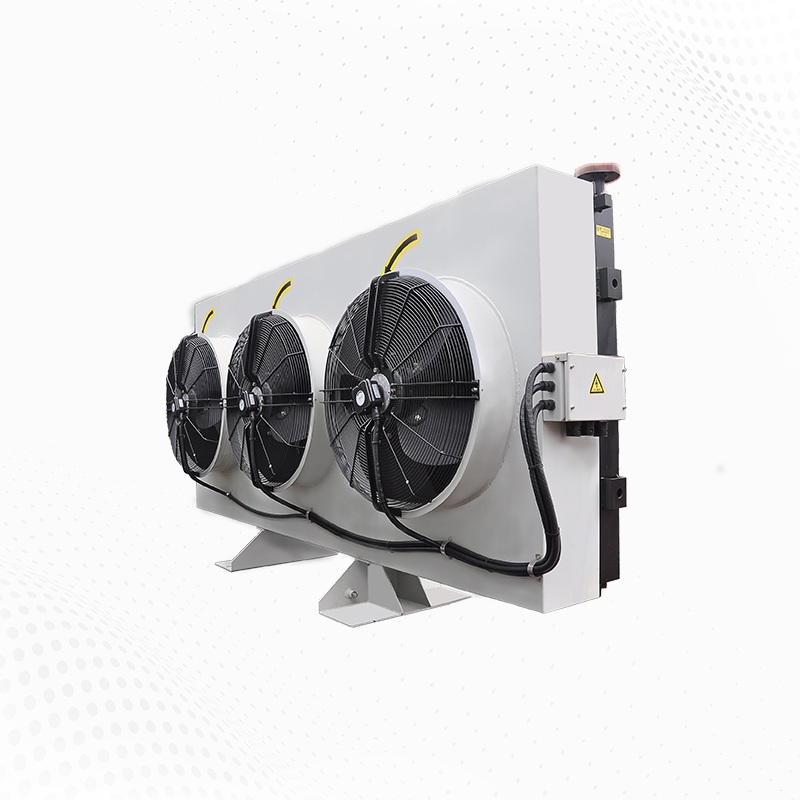
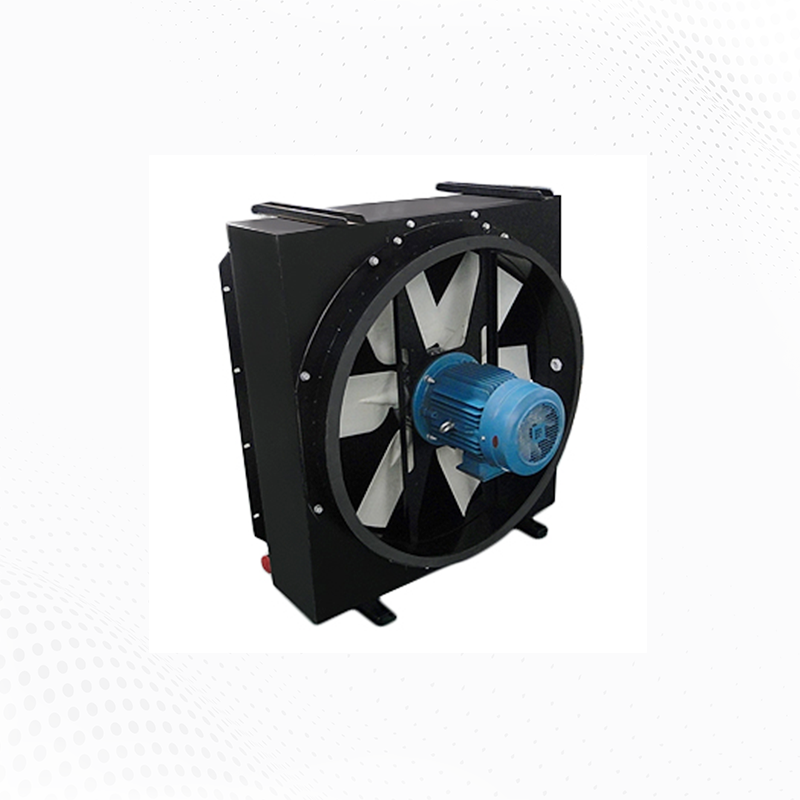
Many customers select an aluminum plate-fin heat exchanger as an air cooled heat exchanger when water resources are limited. In mobile or outdoor systems, the air cooled heat exchanger simplifies installation and maintenance. At the same time, an aluminum plate fin cooler supports stable oil and fluid temperature in systems that run continuously. From YUDA’s field experience, this combination balances efficiency and reliability.
Common Pain Points: What Buyers Worry About
From a buyer’s perspective, overheating remains the top concern. When an aluminum plate fin heat exchanger lacks proper capacity, temperature rises quickly and affects seals, bearings, and fluid quality.
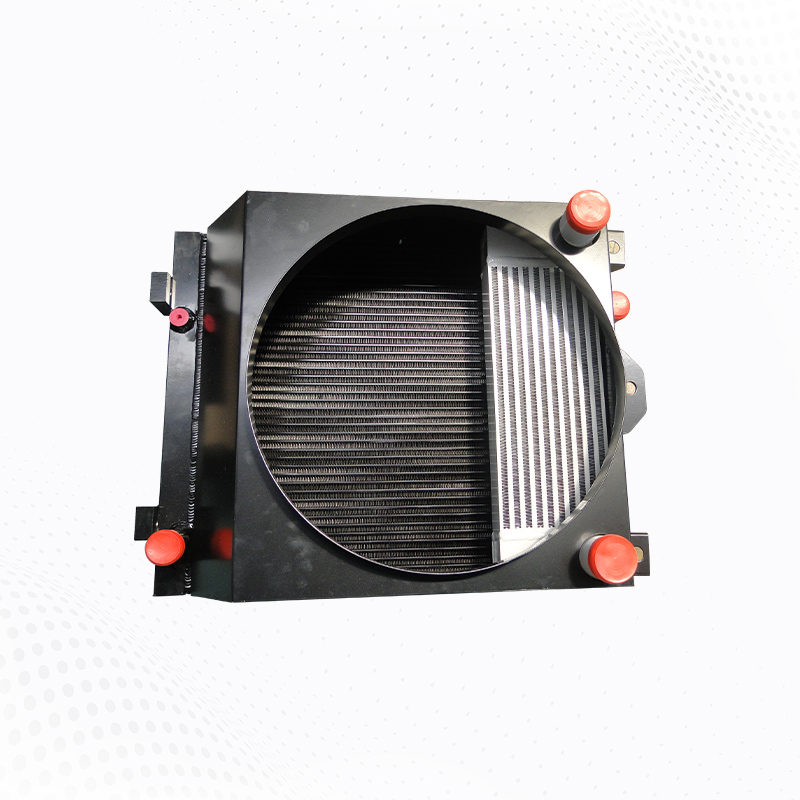
Another pain point involves space. Many systems cannot fit bulky cooling units, so users turn to a compact aluminum plate-fin heat exchanger or aluminum plate fin cooler. Noise and airflow stability also matter. If an air cooled heat exchanger cannot maintain airflow under changing conditions, cooling performance drops. Buyers often ask YUDA how to avoid these problems before selecting a model.
Selection Guide: How to Choose the Right Model
Choosing the right aluminum plate-fin heat exchanger starts with understanding heat load, ambient temperature, and installation space. Buyers should confirm whether the system works best as an air cooled heat exchanger or integrates with existing cooling loops.
YUDA recommends checking fin density, airflow direction, and pressure drop. A properly selected aluminum plate fin cooler improves heat transfer without increasing energy consumption. In compact systems, an aluminum plate fin heat exchanger designed for high efficiency reduces the need for oversized fans. Matching the air cooled heat exchanger to real operating data always leads to better results.
Parameter Suggestions Based on YUDA Experience
Based on long-term projects, YUDA suggests sizing an aluminum plate fin heat exchanger according to continuous operating conditions rather than peak values. Oil or fluid flow rate, inlet temperature, and ambient air temperature all affect performance.
For air-based systems, the air cooled heat exchanger should maintain stable airflow even in dusty or high-temperature environments. Fin spacing in an aluminum plate fin cooler directly impacts heat dissipation and cleaning cycles. A balanced aluminum plate-fin heat exchanger design avoids unnecessary pressure loss while delivering consistent cooling.
Common Mistakes to Avoid
One common mistake involves choosing an aluminum plate fin heat exchanger based only on size, not performance data. Bigger does not always mean better.
Another issue appears when airflow direction is ignored. Even a high-quality air cooled heat exchanger loses efficiency if hot air recirculates. Some users overload one aluminum plate fin cooler to serve multiple systems without checking capacity limits. At YUDA, we often see that correcting these mistakes restores stable operation quickly.
Buyer Questions Answered Simply
Is an aluminum plate fin heat exchanger suitable for outdoor use?
Yes. Aluminum construction supports durability and corrosion resistance.
Why choose an air cooled heat exchanger instead of water cooling?
An air cooled heat exchanger simplifies installation and reduces maintenance.
Does fin design really matter?
Yes. Fin structure in an aluminum plate fin cooler directly affects heat transfer.
How long can it run continuously?
A properly selected aluminum plate-fin heat exchanger supports long-duty cycles.
Conclusion: Practical Cooling Backed by Real Experience
A reliable aluminum plate fin heat exchanger plays a key role in modern industrial systems. When engineered as an efficient air cooled heat exchanger and supported by a well-designed aluminum plate fin cooler, it delivers stable temperature control and predictable performance. At YUDA, we focus on proven designs, real application feedback, and practical engineering to help customers achieve long-term reliability.
