

Excavators, cranes, and compressors all use them – what makes aluminum plate bar heat exchangers so popular?
A major cause of equipment failure is heat.
The efficiency of the equipment is reduced, the life of parts is shortened, and it can be a source of failure when heat is a little bit more than it should.
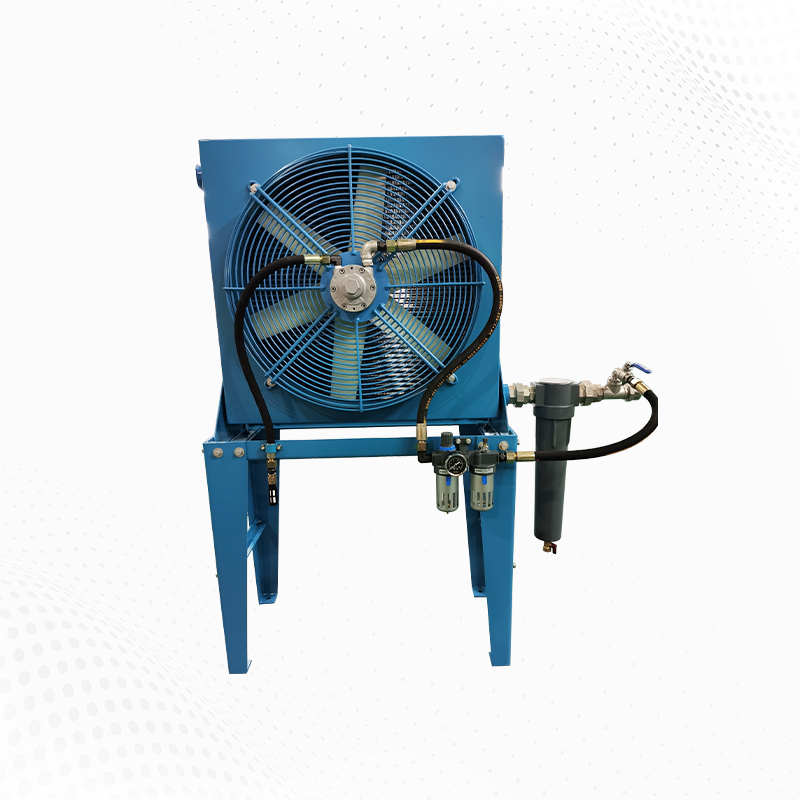
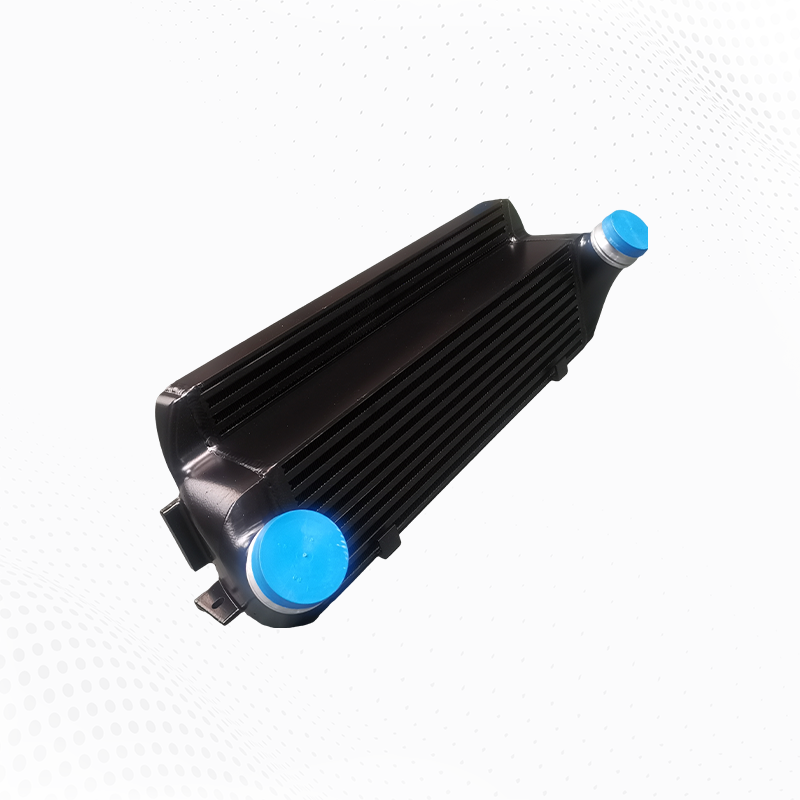
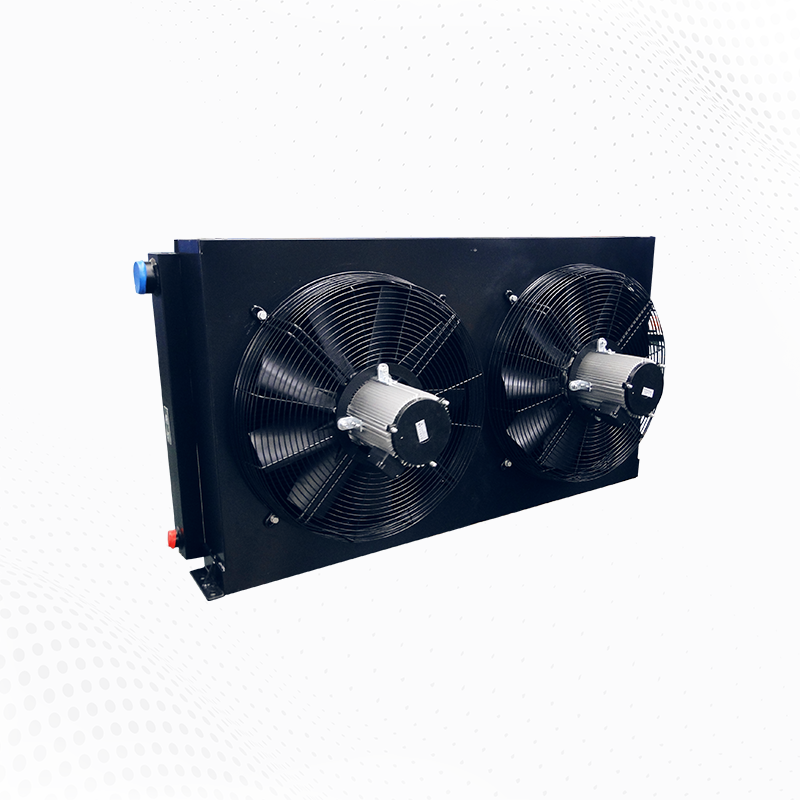
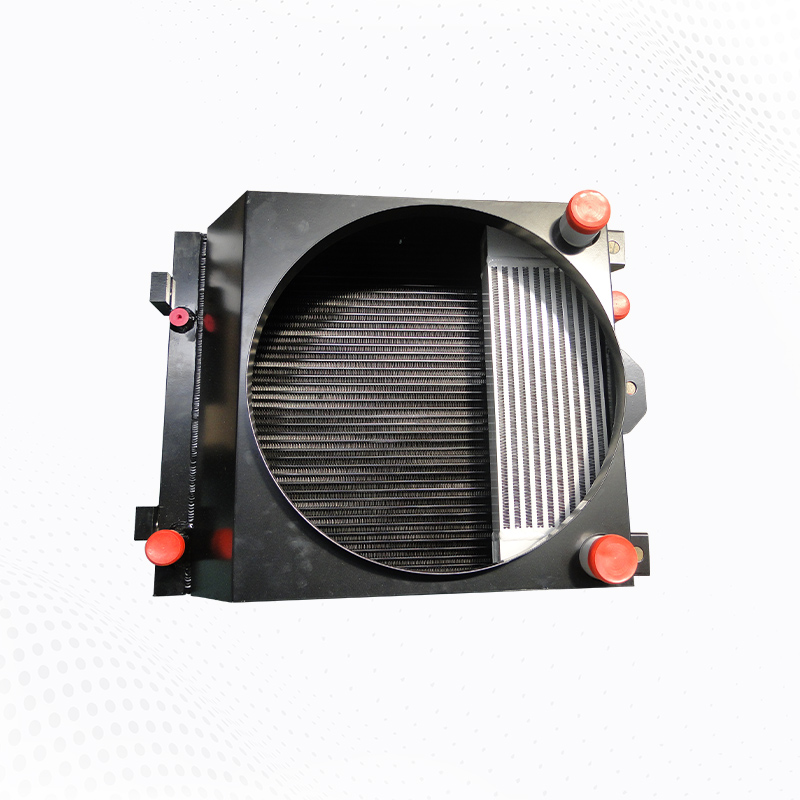
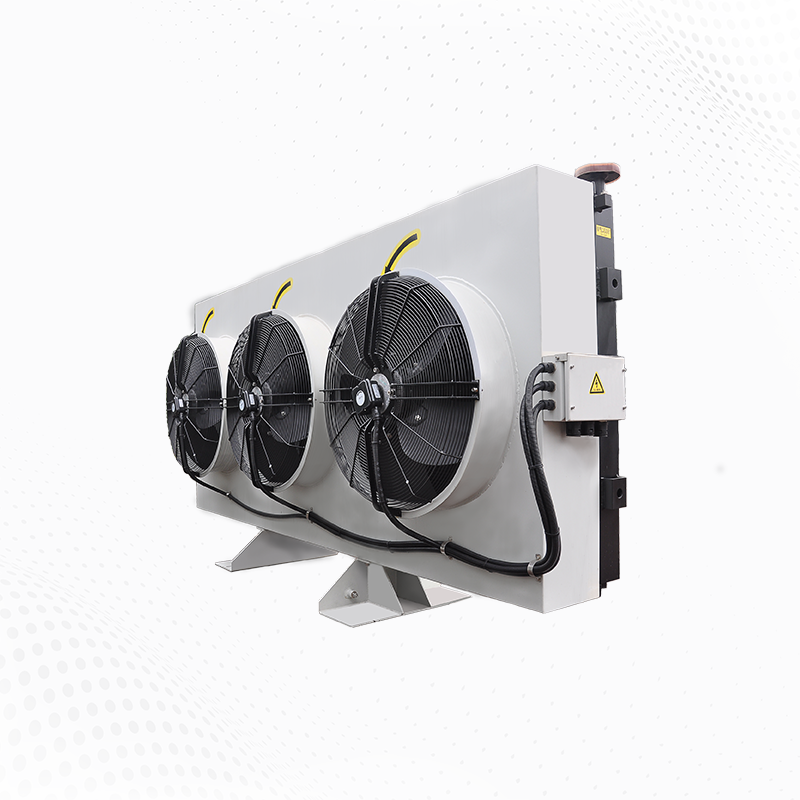
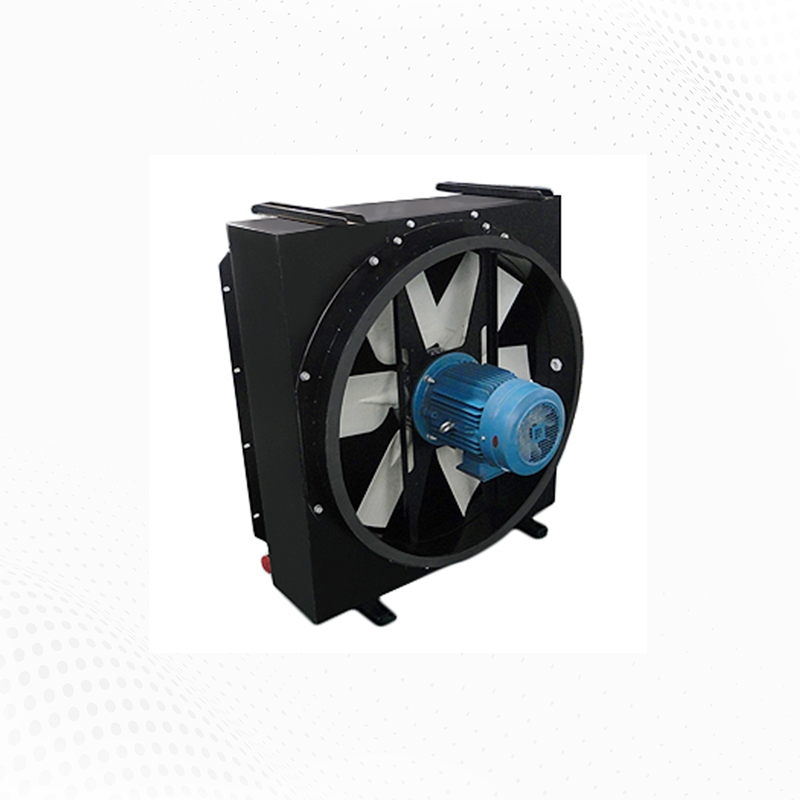
Thus, more and more engineers are turning away from their usual tubular-fin heat exchangers and looking to aluminum plate bar heat exchangers .
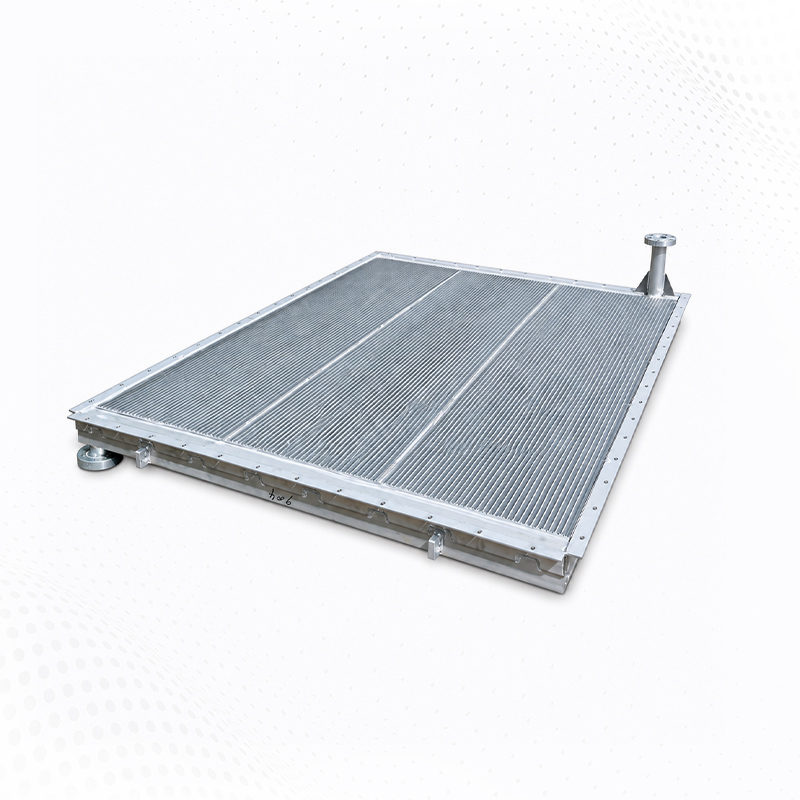
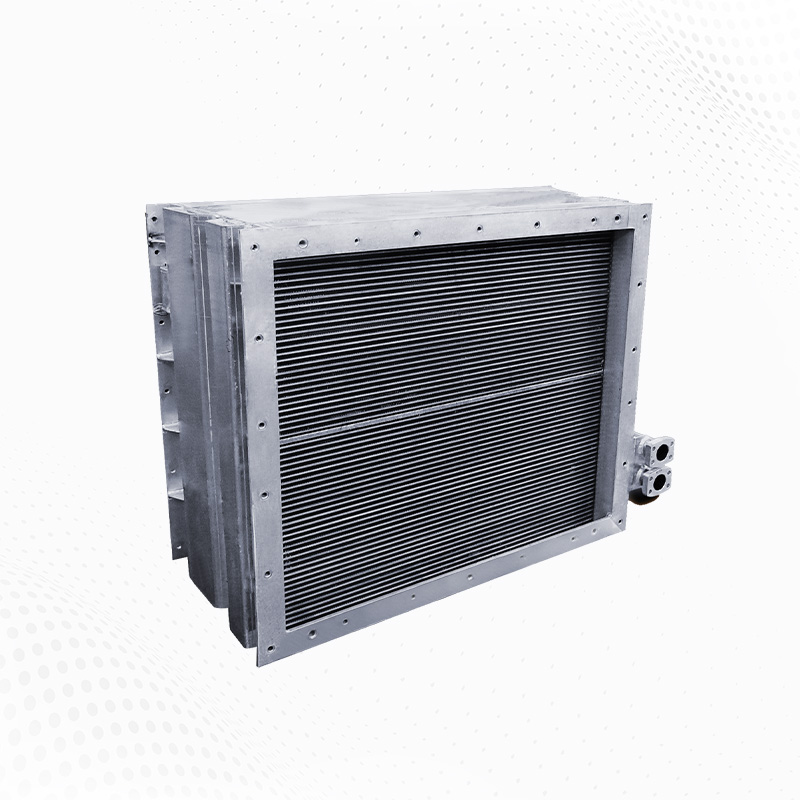
The heat transfer surface and heat transfer coefficient of an aluminum plate bar heat exchanger is so large and efficient with the high density of the plates as well as the small thickness of the layers, making the thermal efficiency of such a unit very high.
It is so light and occupies very little space, it can be hidden behind the equipment panel or under the table without affecting the user experience.
Construction Machinery Can Last Longer by Utilizing Better Cooling
Construction machines have to work with a lot of dust, high ambient temperature and vibration as these are the conditions that they are facing at the job site.
Excavating machines, front loaders, cranes, and rock drilling machines all operate for a whole day under very dusty conditions at very high ambient temperatures.
In such environments, the hydraulic oil of the machine as well as the engine lubricants are likely to absorb an enormous volume of heat if the machine is used for the whole day.
In this way, one of the uses of an aluminum plate bar heat exchanger is to quickly cool the oil down to the normal temperature range so that it can be circulated back into the system and the system will not experience problems due to overheating oil.
With this small aluminum core, the size of the heat exchanger package as a whole remains small and yet allows it to work effectively.
Designed in good manner, the industrial cooling heat exchanger enables the hydraulic systems to keep the oil temperature stable even in case of very hard continuous work.
At the same time, having a good industrial cooling heat exchanger means lubricating oil will not be over-heat thus causing unnecessary wear on pumps, valves, and bearings.
Air Compressors Operate More Steadily when Oil Temperature is Constant
Industrial compressors produce a certain heat every time they operate.
A rise in oil temperature will eventually cause the lubrication performance to drop and the efficiency of the compressor to become worse.
By cooling the circulating oil, a aluminum plate bar heat exchanger will help compressors run with greater consistency.
Manufacturers of compressors are now incorporating the industrial cooling heat exchanger directly into their cooling packages as it delivers consistent thermic performance without the need for more installation area.
If a compressor system is to be run continuously, an effective oil cooler heat exchanger will also prolong the life of the lubricant as well as lower the frequency of maintenance.
Mining Machines Deal with Harsh Operating Conditions
There are few places in industry where machinery has to operate in the most demanding conditions like these as mining machines have to.
They are subject to dust, vibration, high loading and the most continuous operation of any industrial machinery, all of which generate substantial heat.
The brazed aluminum structure of an aluminum plate bar heat exchanger is what gives it both strength and thermal efficiency. Its small size makes its weight less which is a benefit for the mobile mining machines.
Quite a few manufacturers choose to specify an industrial cooling heat exchanger as it still works reliably in the changes of working conditions.
Along with that, the industrial cooling heat exchanger installed ensures that the hydraulics and lubrication systems operate within their safe temperature range even during extended production runs.
Small Size for Mobile Hydraulic Systems is Vital
A common concern in mobile equipment is a lack of space.
Agriculture equipment, municipal fleet, aerial worklifts, road construction equipment, they all require efficient cooling without enlarging the machine's size.
An aluminum plate bar heat exchanger with the help of its large number of plates to increase the heat transfer surface is able to generate the same level of heat dissipation in a much smaller space as compared to the traditional type.
In designing hydraulic systems for mobile applications where saving space as well as minimizing weight matters most, engineers opt for industrial cooling heat exchanger .
On the other hand, the oil cooler heat exchanger keeps the hydraulic oil viscosity constant and that helps achieve optimal performance of the equipment for longer working hours without breakdown.
Why is the Aluminum Plate Bar Type of Heat Exchanger Gaining Preference?
There are several advantages of choosing the aluminum plate bar heat exchanger type that make it increasingly preferred among equipment manufacturers.
Priorities in this choice are speed and lightness - aluminum conducts heat faster than most of the traditional materials and stays lightweight. The structure consisting of brazed plate bars gives rise to a number of internal flow channels which, in turn, increases the amount of heat that the heat source can give out through the exchanger per unit surface area of the heat sink and so the efficiency is quite high. The core that uses a compact size is compatible with a wide variety of platforms.
An industrial cooling heat exchanger is very suitable for OEM manufacturers because it makes equipment assembly easier while maintaining the level of cooling. If the industrial cooling heat exchanger is a well-designed one, it can help reduce the thermal stress on the critical components which leads to a decrease in maintenance costs over the lifetime of the unit.
In developing the product, YUDA takes into account such factors as the flow of air, the flow of oil, pressure requirements, the space available for the installation, and the environment as we design each aluminum plate bar heat exchanger of YUDA. We don't believe in an out of the box solution. In fact, we come up with cooling units that are a perfect fit for the customer's actual needs by our own custom-made design service.
Miscellaneous Things To Be Avoided during Selection
When a client is choosing an aluminum plate bar heat exchanger only on the basis of its external size, it is a misconception that will probably lead them to an unsatisfactory result as cooling efficiency does not only depend on size but also several other factors like the heat load, the oil and air flow, ambient temperature, and the duty cycle.
A typical error is neglecting the impact that changing working conditions in the future have on the equipment performance.
A machine functioning very well during a test run after expansion will require much more of its components to do the job and thus the thermal load will be higher.
A good match between the cooling system components and the rest of the equipment is what makes for the efficient and durable use of the industrial cooling heat exchanger and the same holds true for the oil cooler heat exchanger .
The Final Word
Whether it is hydraulic systems of mining equipment or heavy-duty compressors, the adoption of aluminum plate bar heat exchangers as a cooling system is becoming more and more the norm because it offers all the virtues: a small profile, very efficient heat transfer, and longevity.
It is not the same if you are dealing with an industrial cooling heat exchanger or an oil cooler heat exchanger , getting the design right is what makes for a machine that keeps running for a long time with stable temperatures and not needing constant maintenance.
Having great knowhow in manufacturing, together with offering our clients personalized engineering solutions, we at YUDA produce heat exchangers that will meet the standards expected from nowadays industrial machinery.
