

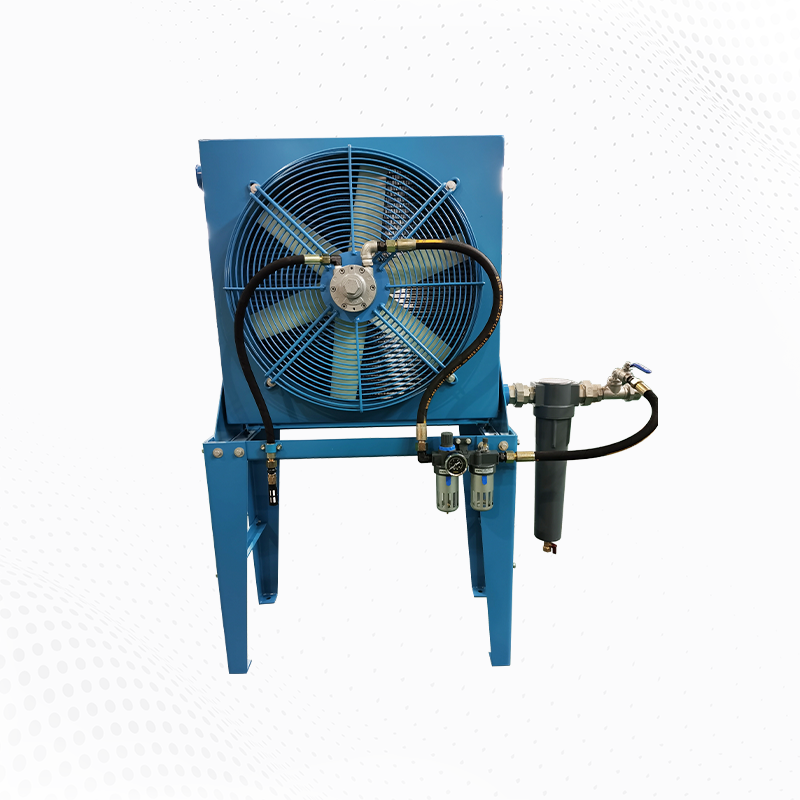
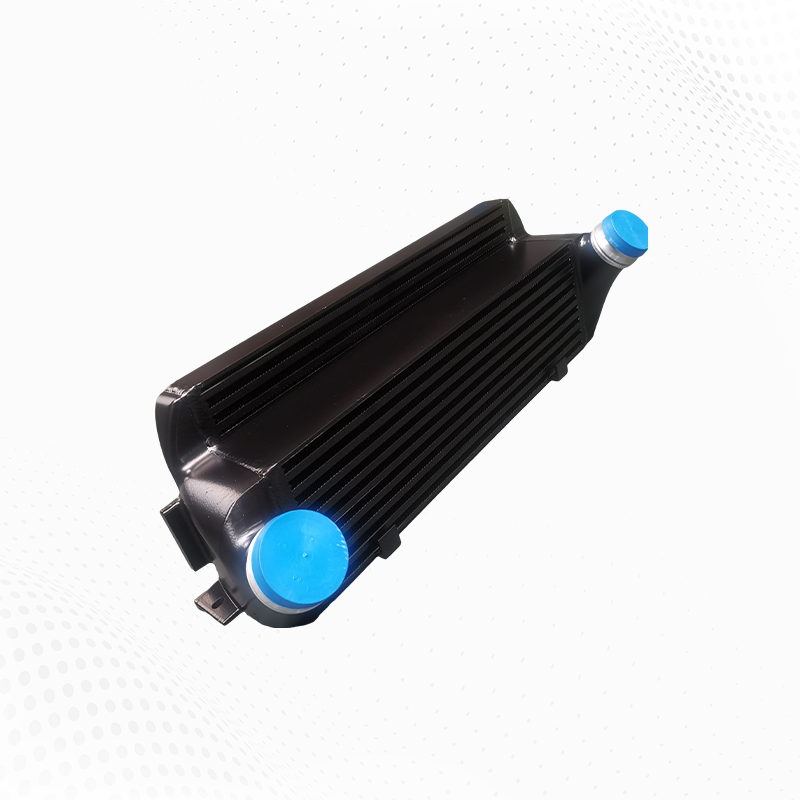
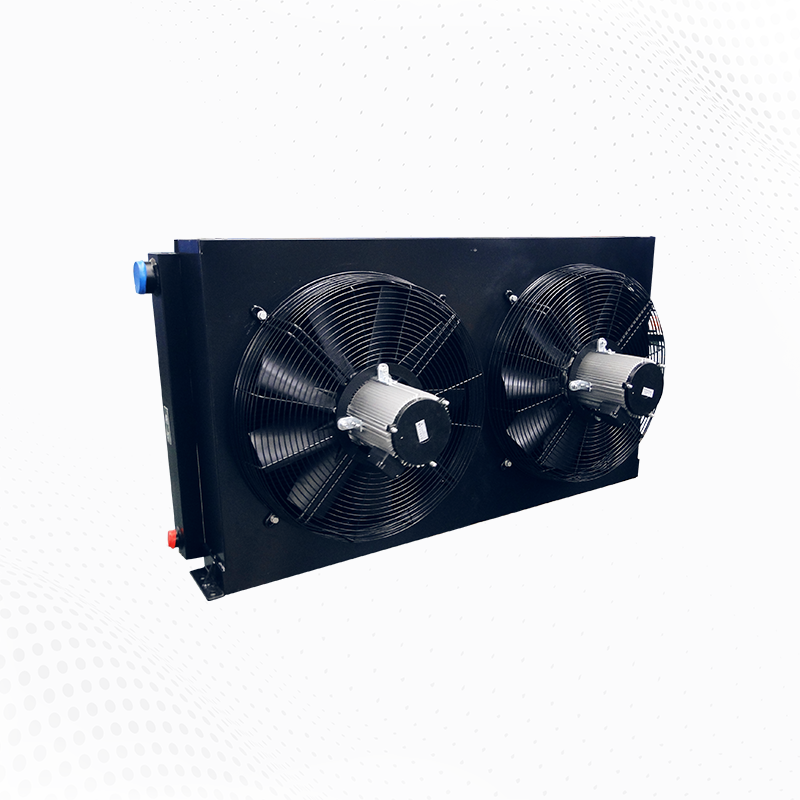
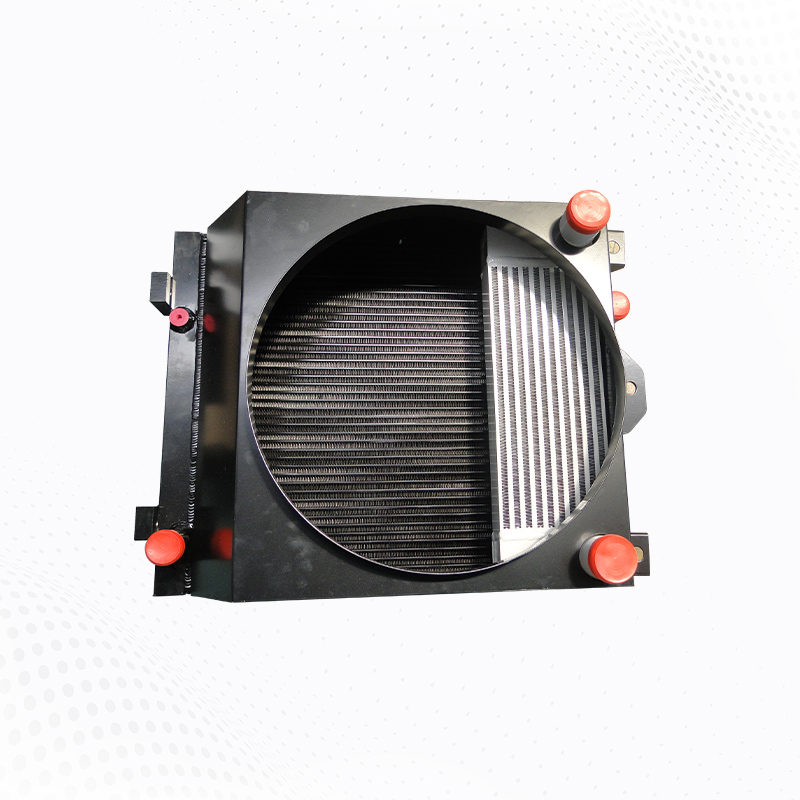
Radiator For Railway Locomotive Cooling Problems Explained
Introduction
Railway locomotives operate under heavy load for long periods, so stable cooling performance matters more than many operators realize. Once engine temperature starts rising, fuel efficiency drops, maintenance costs increase, and unexpected shutdowns become more common. In railway applications, cooling problems rarely stay small for long.
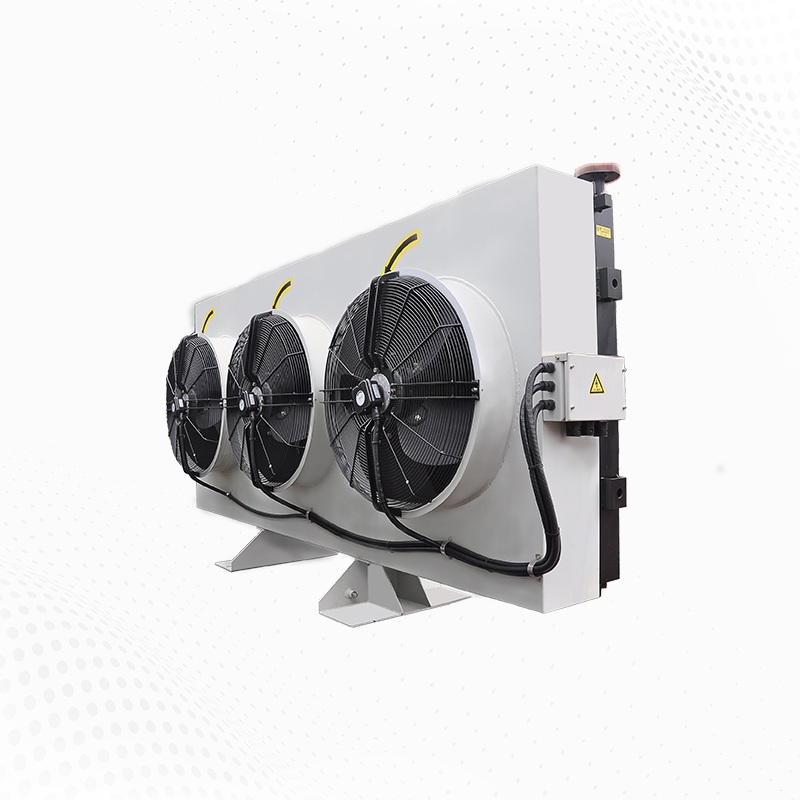
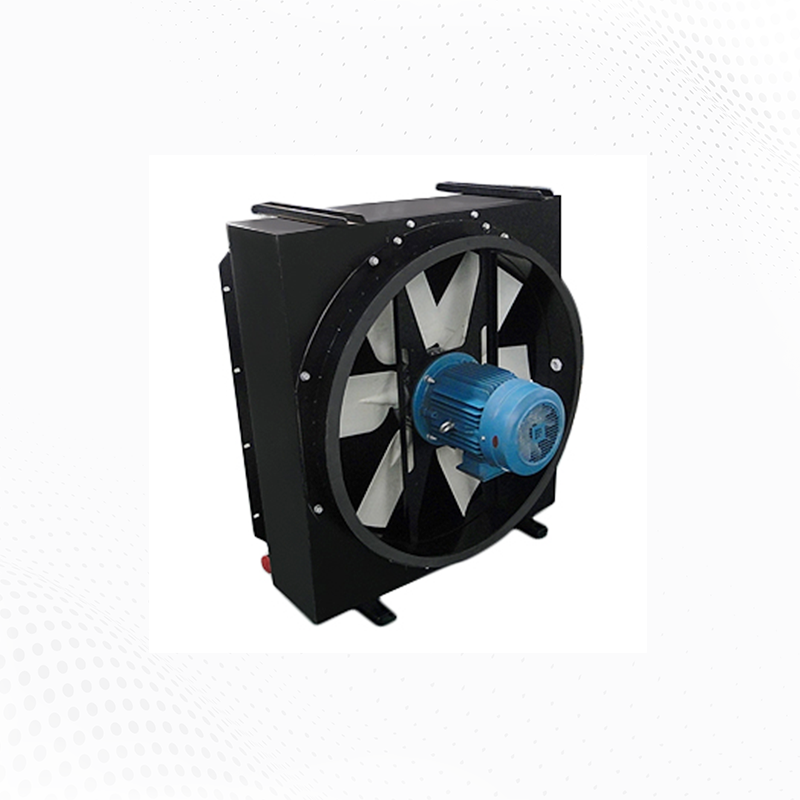
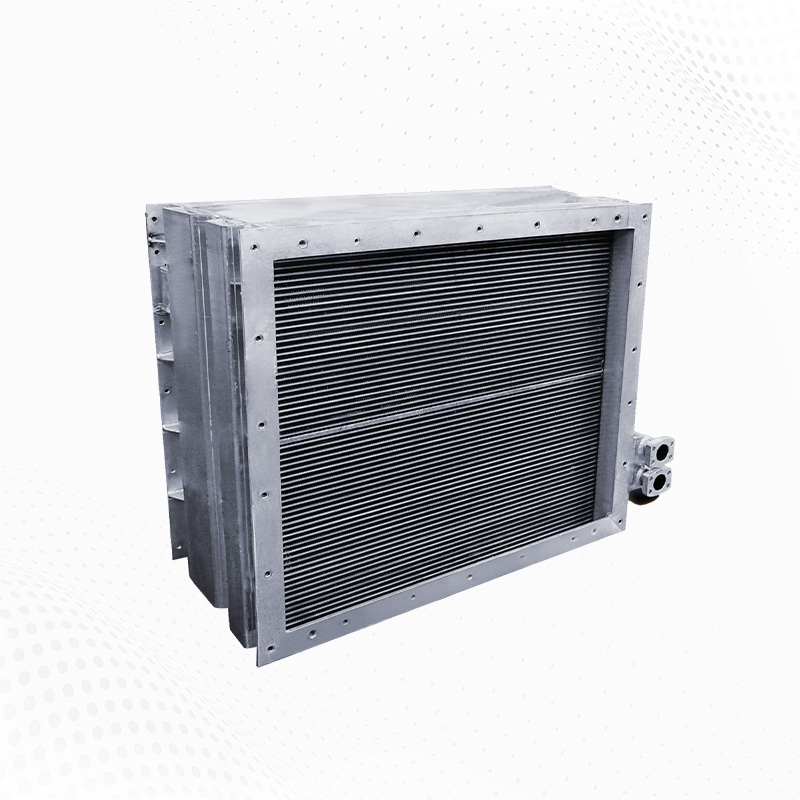
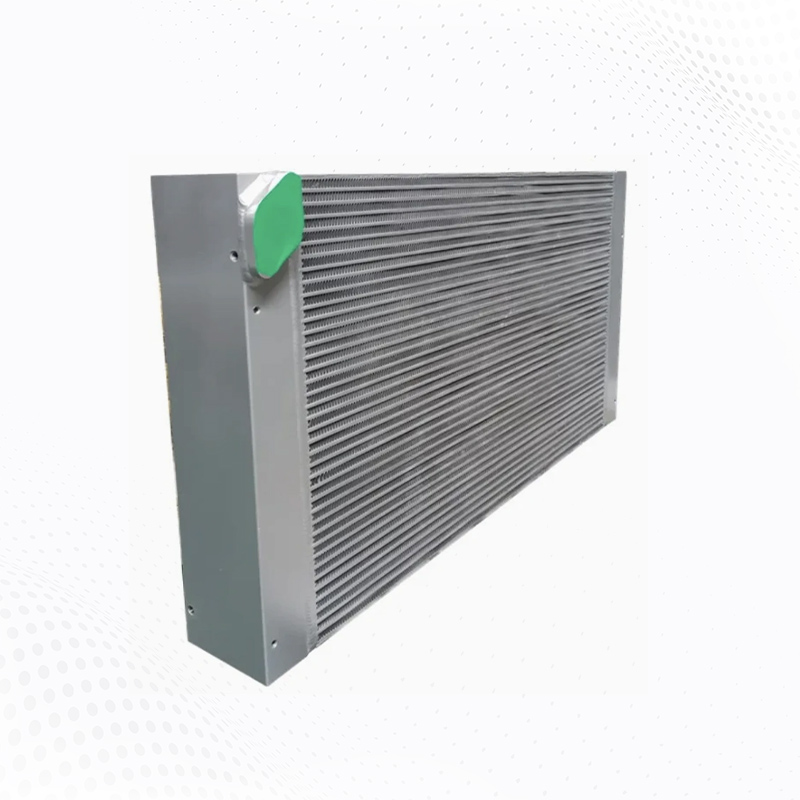
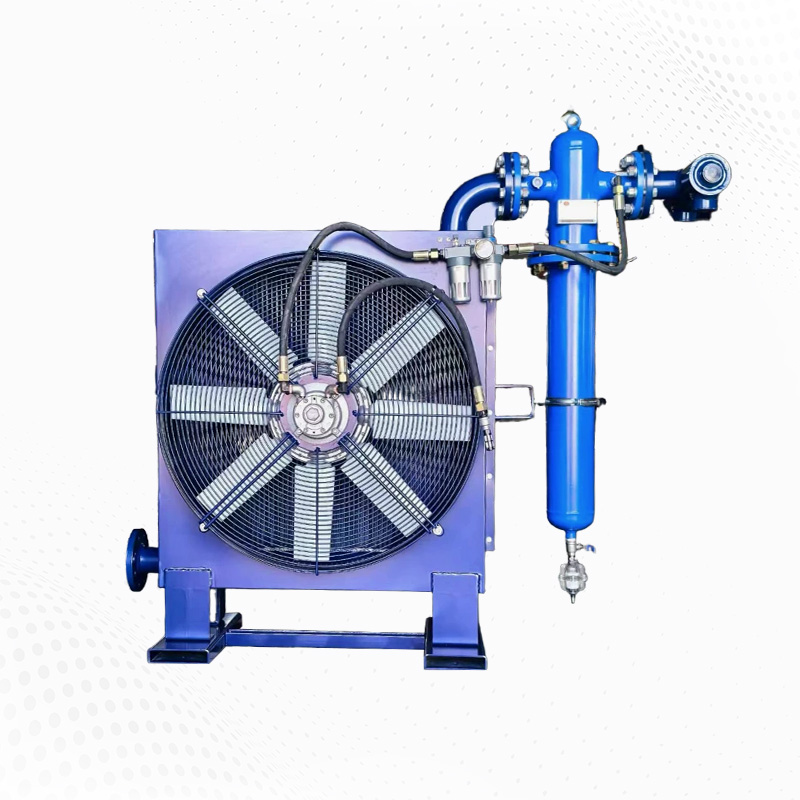
That is why more railway equipment manufacturers now pay closer attention to the Radiator For Railway Locomotive instead of treating it like a standard industrial radiator. A properly designed Radiator For Railway Locomotive helps maintain engine stability, improve cooling efficiency, and support continuous operation in difficult outdoor conditions.
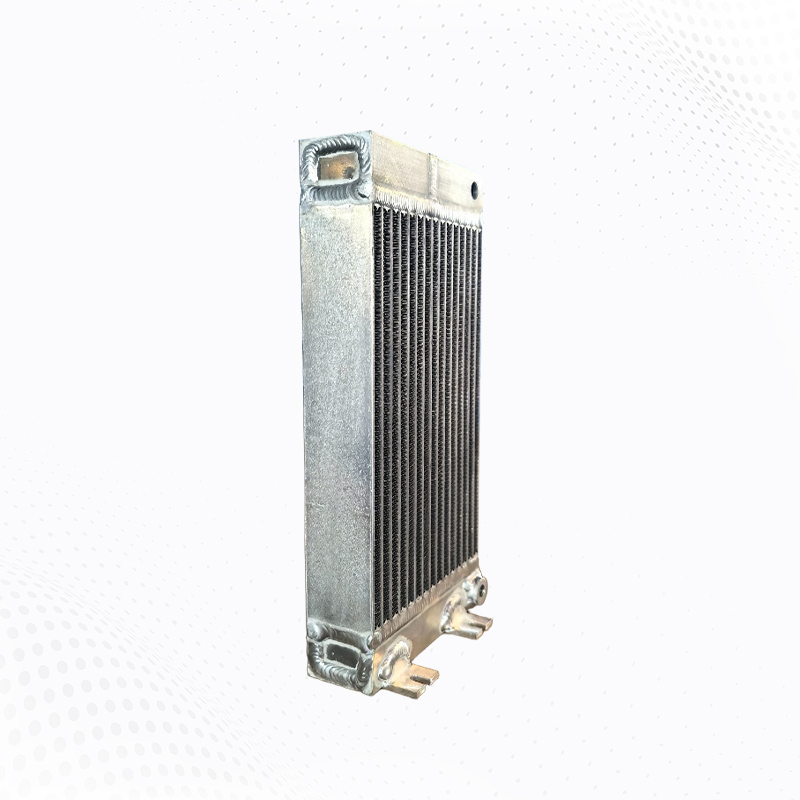
At YUDA, we manufacture cooling systems specifically for demanding railway environments. Compared with ordinary industrial cooling units, a heavy duty locomotive cooling radiator handles vibration, temperature fluctuation, and continuous operation much more effectively. At the same time, a high efficiency railway engine cooling system helps reduce overheating risk during long-distance railway operation. For outdoor applications, many operators also prefer a durable aluminum radiator for train engine cooling because it combines corrosion resistance with lower overall weight.
H2: Why Railway Locomotives Often Face Cooling Problems
Railway locomotives rarely work in clean or stable environments. Some trains operate in high-temperature regions, while others deal with dust, rain, or constant vibration every day.
In these conditions, a standard cooling structure often struggles to maintain stable temperature control. A heavy duty locomotive cooling radiator becomes necessary because locomotive engines generate continuous heat under load.
Many railway operators also choose a high efficiency railway engine cooling system because modern locomotives place higher demands on thermal management than older models.
For outdoor use, a durable aluminum radiator for train engine cooling offers another advantage. Aluminum construction helps reduce corrosion problems caused by moisture and changing weather conditions.
Common Signs Your Radiator For Railway Locomotive Has Problems
Engine Temperature Rises Too Quickly
This is one of the most common warning signs. If the Radiator For Railway Locomotive cannot remove heat fast enough, coolant temperature will increase rapidly during operation.
A high efficiency railway engine cooling system usually performs better under continuous heavy load because optimized airflow improves heat transfer efficiency.
Frequent Coolant Leakage
Long-term vibration can damage weaker radiator structures. A heavy duty locomotive cooling radiator uses stronger structural design to improve durability during railway operation.
Cooling Performance Drops in Outdoor Environments
Dust and debris often block airflow through the cooling core. Many railway companies now use a durable aluminum radiator for train engine cooling because aluminum structures resist corrosion better during outdoor operation.
How to Choose the Right Radiator For Railway Locomotive
Focus on Actual Heat Load
A larger radiator does not always solve overheating problems. The correct Radiator For Railway Locomotive should match the locomotive’s real operating conditions.
Choose Stronger Structural Design
Railway systems experience constant movement and vibration. A heavy duty locomotive cooling radiator handles those conditions more reliably than lightweight industrial cooling systems.
Prioritize Cooling Efficiency
A high efficiency railway engine cooling system helps maintain stable engine performance during long working cycles, especially in high-temperature regions.
Consider Outdoor Durability
Outdoor railway applications require strong corrosion resistance. A durable aluminum radiator for train engine cooling remains a practical option because aluminum handles moisture and environmental exposure well.
Recommended Maintenance Suggestions
Clean Airflow Channels Regularly
Dust buildup reduces cooling performance surprisingly fast. Cleaning the Radiator For Railway Locomotive regularly helps maintain proper airflow.
Monitor Coolant Quality
Poor coolant condition often reduces heat transfer efficiency inside the high efficiency railway engine cooling system.
Check Structural Connections
Railway vibration may gradually loosen fittings or brackets. A heavy duty locomotive cooling radiator still requires routine inspection during operation.
Inspect Outdoor Corrosion
Even a durable aluminum radiator for train engine cooling should receive regular inspection in humid or rainy environments.
Common Buying Mistakes
Buying Based Only on Price
Some low-cost cooling systems use thinner materials that fail faster under railway vibration. A professional heavy duty locomotive cooling radiator usually lasts much longer in real operating conditions.
Ignoring Cooling Efficiency
Some buyers focus only on radiator dimensions while ignoring airflow design. A proper high efficiency railway engine cooling system depends on balanced airflow and heat transfer together.
Choosing Standard Industrial Radiators
Railway locomotives require stronger cooling structures. A durable aluminum radiator for train engine cooling performs better in outdoor railway applications than many standard industrial radiators.
Oversizing the Cooling System
An oversized Radiator For Railway Locomotive may actually reduce airflow efficiency if the fan configuration does not match correctly.
Why Many Railway Customers Choose YUDA
YUDA focuses on practical cooling solutions for demanding industrial and railway applications. Every Radiator For Railway Locomotive from YUDA is designed around real operating environments instead of theoretical laboratory conditions.
Customers often choose YUDA because the heavy duty locomotive cooling radiator offers stable operation under vibration-heavy conditions.
Many railway operators also prefer the high efficiency railway engine cooling system because it helps improve cooling stability during long-distance operation.
For outdoor railway projects, the durable aluminum radiator for train engine cooling remains a popular choice due to its corrosion resistance, lightweight structure, and reliable heat dissipation performance.
Conclusion
Cooling systems directly affect locomotive reliability, maintenance cost, and operational efficiency. Once overheating starts, railway engines quickly face reduced performance and higher operational risk.
A properly selected Radiator For Railway Locomotive helps maintain stable temperature control under continuous railway operation. Whether the application involves freight locomotives, industrial railway systems, or maintenance vehicles, a reliable cooling solution makes long-term operation much more stable.
YUDA continues providing railway cooling products designed for real working conditions where durability, cooling efficiency, and operational reliability matter every day.
